
Reviewed · FOOD & DRINK
Hong Kong Private Food Tour with Michelin Street Food
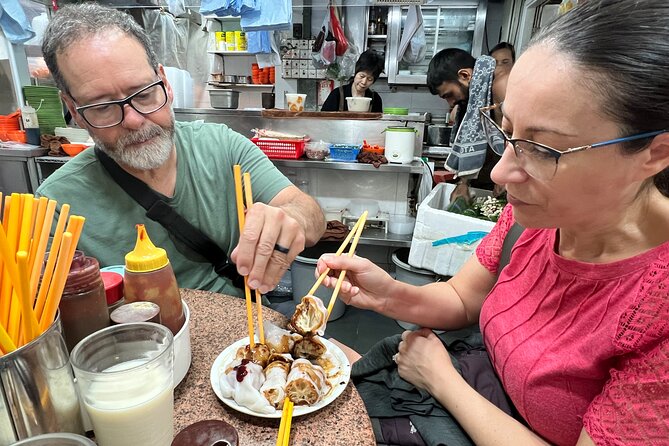
Hong Kong’s food story comes alive one small bite at a time on this private walking tour. You move from shrimp dumplings and herbal tea to wontons, fish balls, Chinese sweets, French toast, and cold milk tea, with the city’s streets and markets providing the setting.
I like the way Kiyo connects food with Hong Kong’s past, rather than treating each stop as an isolated snack. I also like the private format, which lets him tailor the outing to your preferences. The main drawback is the price: at $295.19 per person, this is a costly food walk, especially if you are traveling alone.
Key points to know
- At least six food tastings: Expect dim sum, noodles, fish balls, herbal products, tea, French toast, milk tea, and other local specialties.
- Three Michelin-recommended foods: Tsim Chai Kee Noodle is the clearest highlight for visitors who want a famous Hong Kong bite.
- Private guiding by Kiyo: Your group has the guide’s full attention, and the tour can be adjusted to personal food preferences.
- Markets beside skyscrapers: Graham Street Market and the dried seafood district show an older side of Central and Sheung Wan.
- Public transport is included: The tour is a walking and transit experience, not a private-car outing.
- Allow about four hours: The description also refers to three hours, so keep a flexible half-day in your schedule.
Why this food walk is different from a standard tasting tour
Many food tours simply move from one restaurant to the next. This one uses food as a way to explain how Hong Kong became Hong Kong. You hear about Cantonese cooking, imported ideas, local rice dishes, fishing, Chinese herbal traditions, northern migration, and the city’s old market trade.
That approach gives the meal more meaning. A shrimp dumpling is not just a shrimp dumpling. It becomes an introduction to dim sum culture. A bowl of noodles opens a conversation about fishing and fish-ball production. French toast and milk tea show how old Hong Kong cooks used affordable local ingredients to create food with a Western appearance.
The tour is led by Kiyo, a Hong Kong native who grew up during the city’s rapid changes in the 1980s. His background as an online media host helps explain why the sightseeing and storytelling receive nearly as much attention as the food.
This is a private activity, so only your group takes part. That matters in crowded Central, where a large group can make a market visit awkward. It also gives you room to ask questions, linger over a subject, or tell Kiyo what you do and do not eat.
A few more Hong Kong trips to weigh up
- Hong Kong’s Tin Hau Hidden Eats Food Tour with 7+ Local Tastings
★ 5.0 · 352 reviews - Small-Group Hong Kong Island Food Tour
★ 5.0 · 343 reviews - Hong Kong Food Tour: Central and Sheung Wan Districts
★ 5.0 · 333 reviews
Starting with shrimp dumplings on Queen’s Road Central
The first stop introduces one of Hong Kong’s best-known dim sum dishes: shrimp dumplings. The tasting comes with an explanation of dim sum culture, giving you a useful starting point for the rest of the tour.
Dim sum is more than a collection of small plates. It is a style of eating built around variety, sharing, tea, and social time. Beginning with shrimp dumplings lets you meet a classic Cantonese food before moving into less familiar tastes.
The stop lasts about 20 minutes. Since no admission fee is listed, the value here comes from the food and Kiyo’s explanation rather than a formal attraction. If you have already eaten a lot before the tour, pace yourself from the start. Six or more tastings can add up quickly.
Herbal tea and tortoise jelly at Good Spring Company
Hong Kong’s traditional herbal tea culture can be an adjustment for first-time visitors. At Good Spring Company, you can choose sweet tea, bitter tea, or tortoise jelly, an herbal jelly dessert.
This is a useful stop for understanding the Chinese approach to food as something connected to everyday health. The range of choices also gives you some control. Sweet tea may be the gentler option if you are unsure about bitter flavors, while tortoise jelly offers a different texture and taste.
The visit lasts around 15 minutes. It is a short stop, but it adds a cultural layer that many food walks skip. You are not only sampling something popular. You are learning why herbal drinks and jellies remain part of ordinary food life in Hong Kong.
Graham Street Market, old streets beneath tall buildings
Graham Street Market is one of the tour’s strongest sightseeing stops. It is described as a 160-year-old open-air wet market, and its setting is striking: traditional stalls and daily shopping activity sit among Central’s high-rises.
This contrast helps you understand Hong Kong better than a polished restaurant district can. The city is famous for finance and modern towers, but food shopping still takes place in older market spaces. You see how the older city survives beside the newer one.
The market visit lasts about 20 minutes. It is not presented as a full shopping trip, so do not expect a long chance to browse or buy ingredients. Instead, think of it as a guided look at local food supply and daily life.
Market conditions can also be less comfortable than an indoor restaurant. You will be walking through a working market, not a staged attraction. That is part of its appeal, but it may not suit someone who wants a quiet, polished tasting room.
Same country, a completely different kind of day:
- Hong Kong: Dolphin Cruise, Big Buddha & Lantau Island Tour
★ 4.2 · 1,512 reviews - Ngong Ping 360: Cable Car Return Tickets & Combos
★ 4.6 · 1,431 reviews - Lantau Island Day Trip – Big Buddha & Tai O
★ 4.5 · 1,328 reviews - Big Bus Hong Kong Open Top Hop-On Hop-Off Sightseeing Tour
★ 4.0 · 1,077 reviews
Rice culture and zha leung at Chung Kee Congee
At Chung Kee Congee, the focus shifts to rice. You learn how Hong Kong cooks turn rice into several kinds of food, then taste zha leung, a local dish built around rice-based cooking.
This stop helps correct the idea that Hong Kong food is mainly dim sum and noodles. Rice is a basic part of the city’s food traditions, and the tour uses one dish to show how simple ingredients can become something more distinctive.
The tasting takes about 15 minutes. It is a compact stop, so the explanation may be more important than the amount of food. That is a recurring feature of this tour: you are paying for the connection between the bite, the place, and the story.
Tea culture at a 60-year-old tea house
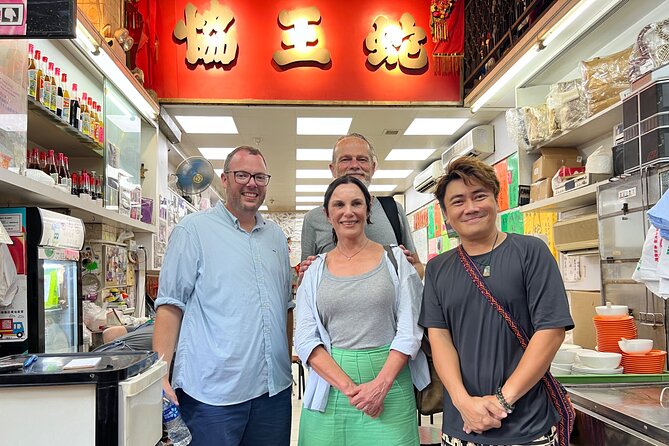
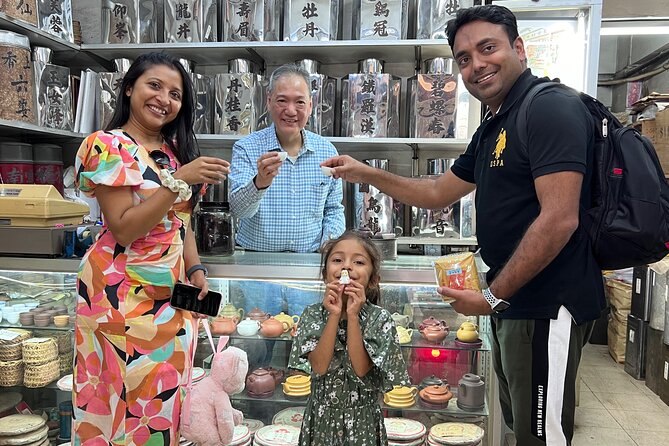
The visit to a traditional Chinese tea house in Gilman’s Bazaar gives you a pause from eating. The tea house has been operating for 60 years, and you taste freshly brewed Chinese tea while learning about different varieties.
This is a welcome change in pace. The tour includes several rich or sweet foods, so tea gives your palate a reset. It also shows that Hong Kong’s food culture cannot be separated from tea. Tea is part of the rhythm of dim sum and many everyday meals.
The stop lasts about 20 minutes. Since the tasting is guided, it should suit you if you want an introduction to Chinese tea without committing to a formal tea ceremony. The information provided does not identify the specific teas, so you should treat this as a broad introduction rather than a specialist tasting.
Michelin-recommended wontons and fish balls
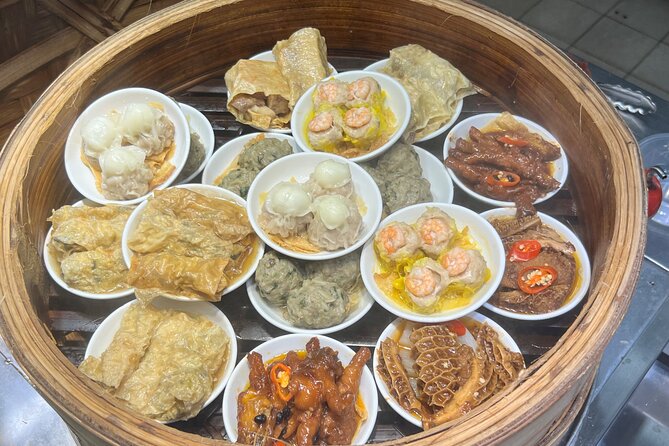
Tsim Chai Kee Noodle is likely to be the food highlight for many people. Here you taste Michelin-recommended wontons and dace fish balls while learning about Hong Kong’s fishing industry.
The stop gives you two different textures and flavors in one place. Wontons offer a familiar entry point for many visitors, while dace fish balls connect the meal to local fishing traditions. This is also one of the clearest examples of the tour’s food-and-history method.
Three foods on the tour are Michelin-recommended, and this noodle stop is specifically identified as one of them. That does not mean you are visiting a Michelin-starred restaurant. The distinction matters, especially if you are booking mainly for a formal fine-dining experience. This is a street-food and local-eatery outing, with Michelin recognition attached to selected foods.
You spend about 30 minutes here, the longest scheduled tasting stop. It is a good place to ask Kiyo about Hong Kong noodle shops and the role of seafood in local cooking.
Chinese herbal jelly and northern food traditions
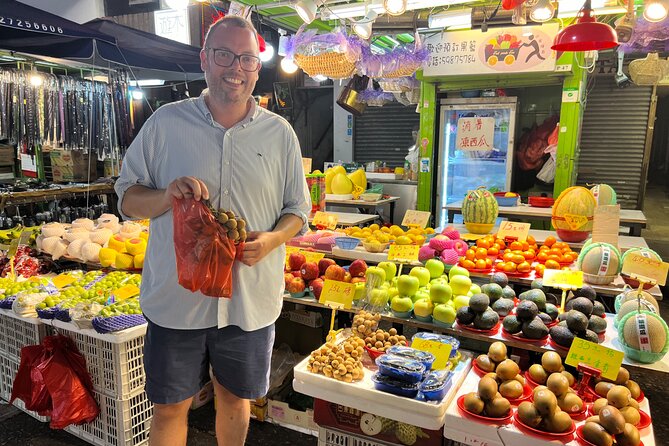
Chan Yee Jai brings the tour back to herbal food, this time with Chinese herbal jelly. The stop also explains how people from northern parts of China brought different culinary customs to Hong Kong.
That story is important because Hong Kong cooking is not one fixed tradition. Cantonese food forms the base, but migration added new dishes, tastes, and techniques. A small dessert or herbal snack becomes a way to discuss how people and food moved into the city.
You have around 20 minutes here, including time to taste the product. If bitter herbal flavors are not your preference, this may be one of the more challenging stops. The tour does provide choices at the earlier herbal tea stop, but the details do not specify alternate options here.
Bonham Strand and the dried seafood trade
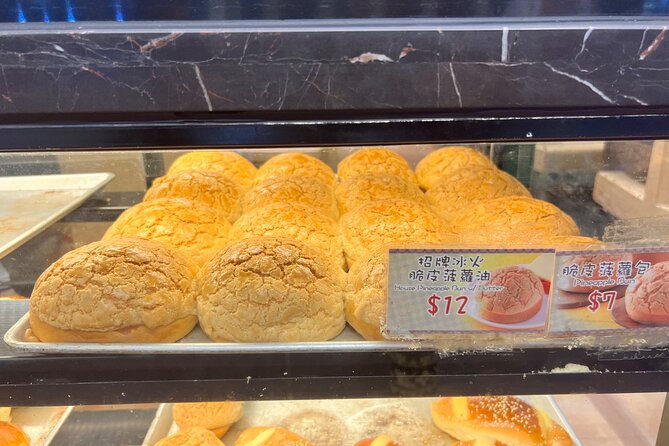
Bonham Strand introduces the dried seafood market. This area offers another look at how food is preserved, traded, and used in Chinese cooking.
Dried seafood can be unfamiliar to many international visitors, yet it has an important place in Cantonese cuisine. The stop is less about filling your stomach and more about understanding ingredients before they reach the kitchen.
The scheduled time is about 20 minutes. Since this is a market and cultural stop rather than a formal tasting venue, it helps to arrive curious and observant. You might find the smells and displays strong, but that is precisely what makes the area more revealing than a restaurant designed for tourists.
French toast and cold milk tea in Sheung Wan
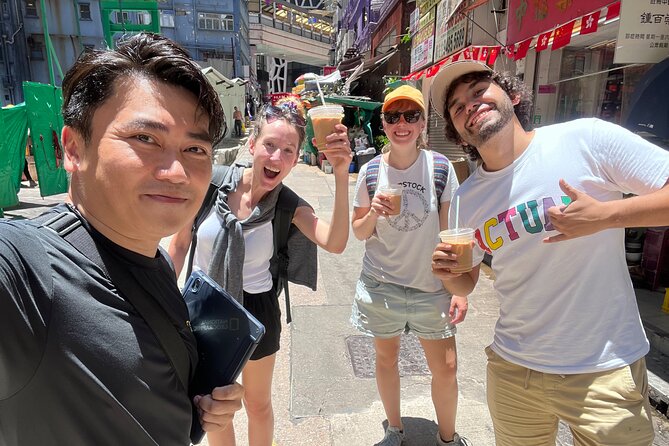
The final stop at Sheung Wan Market and Cooked Food Centre brings together two of Hong Kong’s best-known everyday treats: French toast and cold milk tea.
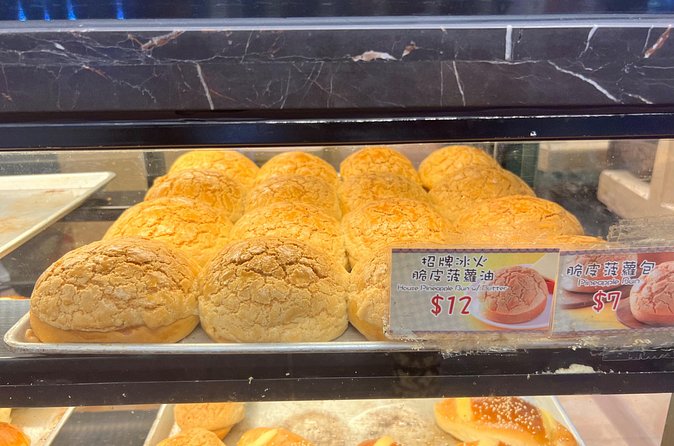
The story here is especially interesting. Old Hong Kong cooks used inexpensive local ingredients to create dishes that looked like costly Western food. French toast shows that creative approach clearly, while milk tea reflects the city’s long habit of adapting outside influences to local tastes.
This stop lasts about 20 minutes and marks a satisfying finish because it feels familiar and distinctly Hong Kong at the same time. The cold milk tea also gives you a final drink after several tastings.
The itinerary lists this as the last point, but the schedule does not explain how much time is spent walking between stops. Wear comfortable shoes and keep your schedule open after the tour, particularly because the published timing varies between about three and four hours.
What $295.19 per person really buys you
The price is high for a food tour. At $295.19 per person, you should not book this expecting the cheapest way to eat in Hong Kong. You can certainly find individual local dishes for far less.
The value comes from the private guide, the number of stops, the food context, and the included public transportation fee. You are paying for a personal route through several districts, not only for the cost of the tastings. Kiyo’s background in Hong Kong culture and online media also adds a storytelling element that would be difficult to reproduce with a self-guided food list.
The private format improves the value for couples, families, or small groups who want flexibility. A group discount is offered, though the exact discount is not specified. If you are traveling alone, the per-person cost is harder to justify unless you place a high value on personal guiding and structured food discovery.
Three Michelin-recommended foods help make the price more attractive, but keep your expectations realistic. This is not a luxury dining tour, and the Michelin references apply to selected street foods rather than a multi-course restaurant meal.
Walking, timing, and practical comfort
The tour includes public transportation, but private transportation is not included. That tells you what kind of outing this is: a city walk with transit between sections, rather than a chauffeured food route.
The stops cover Queen’s Road Central, Graham Street Market, Gilman’s Bazaar, Bonham Strand, Sheung Wan, and other nearby areas. You should expect an active half-day in central Hong Kong, with time spent moving between food stops and listening to explanations.
Pickup is offered, though the supplied details do not specify the exact pickup point or whether every hotel qualifies. Confirm that when booking. The tour is near public transportation, and most people can participate, but the information does not give a precise accessibility assessment for every market or street segment.
The tour requires good weather. If poor weather forces cancellation, you can choose another date or receive a full refund. For your own plans, avoid placing a major timed attraction immediately afterward.
Who will get the most from this tour
I would recommend it most strongly to first-time visitors who want food and city background in the same outing. You get an introduction to dim sum, noodles, tea, herbal products, markets, and local drinks without having to research each stop yourself.
It also suits food-focused visitors who want Michelin-recommended street food but prefer a personal guide to a restaurant checklist. The private setup is helpful if you have strong preferences, since Kiyo has tailored the route to individual tastes.
Families and small groups may appreciate the ability to ask questions and move at their own pace. The tour can also work well early in a Hong Kong stay, since it introduces several areas and food traditions that may help you order with more confidence later.
I would be more cautious if you are looking for a luxury meal, a short tasting with little walking, or a bargain activity. The price is significant, and the market stops may feel too ordinary if you only want famous restaurants. People with dietary restrictions should ask for details before booking, because the available information does not list specific allergy, vegetarian, or religious-diet arrangements.
Should you book Kiyo Hong Kong Private Tours?
Book this tour if you want a personal introduction to Hong Kong through food, markets, and stories. The strongest reasons are Kiyo’s local background, the private format, the Michelin-recommended wontons and fish balls, and the mix of famous dishes with less obvious stops such as herbal tea, dried seafood, and zha leung.
Skip it if your main goal is to eat as much as possible for the lowest price. You are paying for guidance and context as much as for food. For the right visitor, that makes the $295.19 worthwhile. For someone who already knows Hong Kong’s food districts and can order confidently, it may be more tour than you need.
The overall rating is 5 out of 5 from six reviews, with especially strong praise for Kiyo’s ability to add history, culture, and sightseeing to a food-focused outing. That matches the tour’s design: it is not simply lunch with a guide. It is a compact introduction to how Hong Kong eats.
FAQ
How long is the Hong Kong private food tour?
The experience is listed as approximately four hours, while the overview describes it as three hours. Keep at least a flexible half-day available.
How much does the tour cost?
The listed price is $295.19 per person. Group discounts are offered, though the exact discount is not provided.
Is this a private tour?
Yes. Only your group participates in the activity.
Who guides the tour?
The tour is provided by Kiyo Hong Kong Private Tours. The guide identified in the supplied information is Kiyo, a Hong Kong native and former online media host.
How many foods will I taste?
You will taste at least six different types of food. Three of the foods are Michelin-recommended.
Which Michelin-recommended foods are included?
At Tsim Chai Kee Noodle, you taste Michelin-recommended wontons and dace fish balls. The details do not identify all three Michelin-recommended foods by name.
Is public transportation included?
Yes. The public transportation fee is included. Private transportation is not included.
Is hotel pickup available?
Pickup is offered, but the exact pickup arrangements are not specified. Confirm the meeting or pickup point when booking.
Can most people participate?
The activity states that most people can participate and that it is near public transportation. It does not provide detailed accessibility information for every market or street section.
What happens if bad weather cancels the tour?
If poor weather causes cancellation, you can choose a different date or receive a full refund.
Can I cancel for a full refund?
Yes. Cancel at least 24 hours before the experience start time for a full refund. Cancellations or changes made less than 24 hours before the start time are not refunded or accepted.
Just added around Hong Kong
- Hong Kong Airport to Hong Kong City Private Arrival Transfer★ 4.5 · 3 reviews
- Hong Kong Palace Museum Ticket★ 5.0 · 3 reviews
- Hong Kong Peak Tram and Sky Terrace 428 Tickets (Optional)★ 3.5 · 22 reviews
- Hong Kong Observation Wheel Ticket★ 5.0 · 3 reviews
- Hong Kong Private Walking Tour with a Local★ 5.0 · 6 reviews
- Hong Kong Market Walking Tour & Chinese Cooking Class★ 5.0 · 24 reviews
- Hong Kong : Must-See Attractions Walking Tour With A Guide★ 5.0 · 7 reviews
- Hong Kong: Lantau Island & Tai O Cruise, Skip The Line Cable Car★ 3.5 · 4 reviews
Food & Drink, compared.

Authentic Local Food Tour in Central Shanghai
Read our review →
Beijing Hutong Walking Food and Beer Tour at Hidden Restaurants
Read our review →

Hong Kong’s Tin Hau Hidden Eats Food Tour with 7+ Local Tastings
Read our review →

Hong Kong Food Tour: Central and Sheung Wan Districts
Read our review →Browse the lists this tour appears in