
Reviewed · FOOD & DRINK
Guilin: City Tour with Elephant Hill & Ming Tea Tasting
Elephant Trunk Hill gives this half-day outing its sharpest image: a stone elephant lowering its trunk toward the Li River. From there, you move from Guilin’s famous scenery to a former Ming Dynasty royal tea garden, where the focus shifts to leaves, soil, preparation, and tasting.
I like the private car and flexible pace, especially for a short visit to Guilin. I also like the change of mood between the riverside hill and the quiet tea plantation. The main caution is value: at $46 per person, the price can feel high if Elephant Trunk Hill has no admission charge and the tea stop feels more commercial than cultural.
Key points at a glance
- Elephant Trunk Hill in about one hour: See Guilin’s best-known natural landmark, hear its legends, and take riverside photographs.
- A 3.5-kilometer transfer to tea country: The plantation is reached by a short drive from the entrance of Yao Mountain.
- Former Ming royal tea garden: Learn why the area’s fertile soil supported prized tea crops.
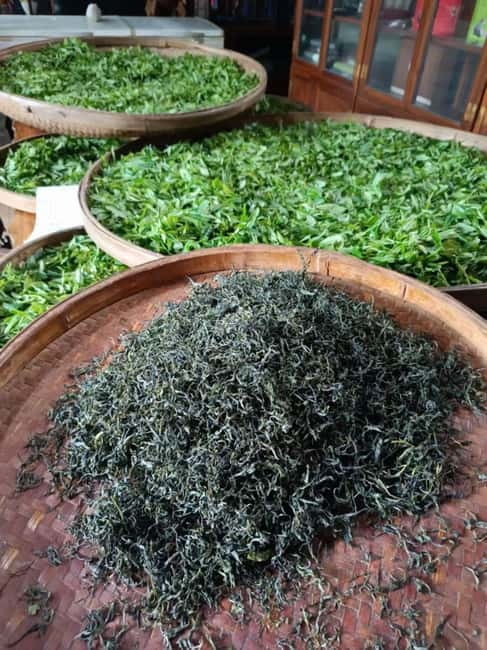
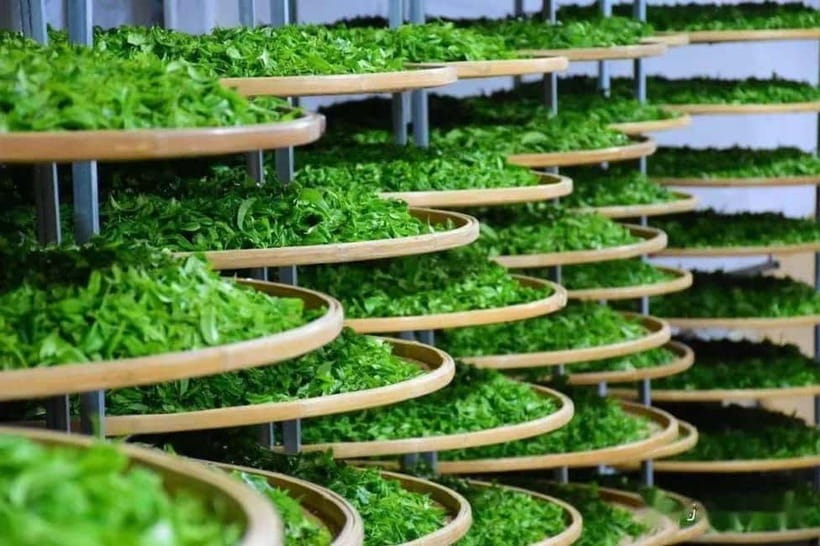
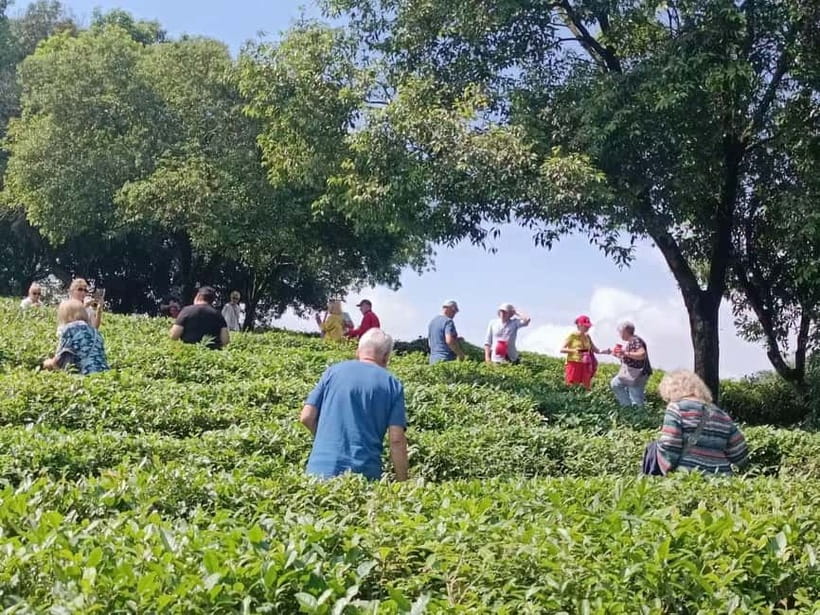
- Two hours devoted to tea: Watch the production process and taste fresh green tea from the mountain area.
- Private transport throughout: A driver, air-conditioned car, and hotel pickup make the half-day plan simple.
- A guide can shape the experience: Molly has been praised for patient explanations, local information, photography help, and adapting to a solo visitor’s needs.
Why this Guilin half-day works
Guilin is famous for grand scenery, but you do not need a full day to get a useful first look at the city. This experience links one iconic view with one of the area’s traditional products. In four hours, you see a landmark that belongs on a Guilin postcard, then spend longer at a tea farm where the visit is more about process and local customs.
The order makes sense. Elephant Trunk Hill is the quick visual hit. The tea plantation gives you time to slow down and ask questions. You are not being rushed from one distant attraction to another, and the private vehicle keeps the transfers easy.
The tour is also well suited to a stopover or a spare morning. You can begin from your Guilin hotel, make the two visits, and return before committing the rest of your day. Exact departure time is confirmed one day ahead, so do not build a tightly timed onward plan around the estimated booking time.
A few more Guilin trips to weigh up
- Authentic Local Food Tour in Central Shanghai
★ 5.0 · 1,382 reviews - Beijing Hutong Walking Food and Beer Tour at Hidden Restaurants
★ 5.0 · 1,132 reviews - Xi’an Evening Food Tour by TukTuk
★ 5.0 · 715 reviews
Elephant Trunk Hill and the Li River view
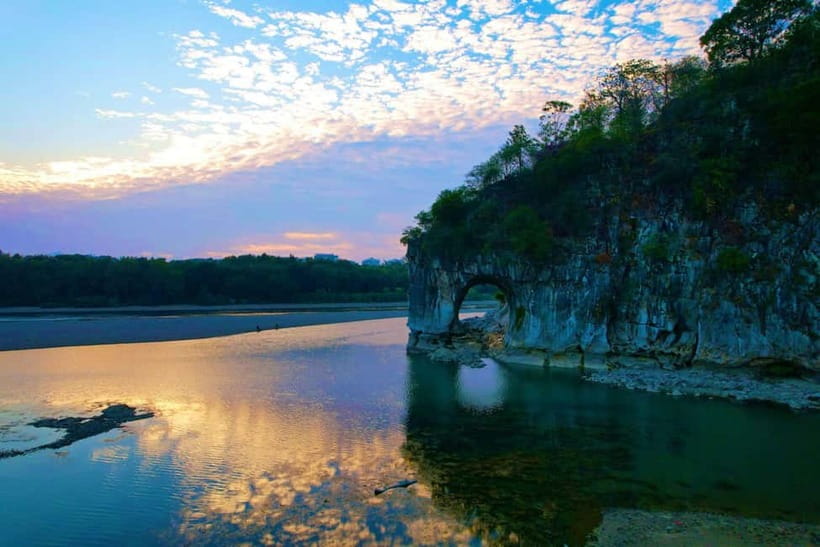
Your driver picks you up in the lobby and takes you to Elephant Trunk Hill, the natural formation that gives the tour its most recognizable scene. The rock resembles an elephant drinking from the Li River, and that shape explains both its name and its place in Guilin’s local identity.
Allow about an hour here. The stop is not simply a quick photo from the car. You have time to explore the area, look toward the river, take pictures, and hear the legends linked to the formation. A guide adds useful context to what could otherwise be a very short sightseeing stop.
The appeal is visual and immediate. Guilin’s reputation rests heavily on its unusual limestone scenery, and Elephant Trunk Hill gives you a compact example without requiring a boat ride or a long hike. If you have only a brief stay in town, this is an efficient way to see one of the city’s symbols.
There is a practical point about admission. Entrance fees are not included in the tour price, if applicable. One recent booking account found Elephant Trunk Hill admission free, but policies can change, so confirm the current arrangement before you go. This detail matters because the $46 cost is easier to justify when you place a real value on the private transport and tea visit, not simply on entry to the hill.
Photography is a strong reason to keep this stop on your list. You will have the riverside setting, the rock’s distinctive profile, and the chance to ask your guide to help with photos. Molly, one guide associated with this experience, has helped a solo visitor take pictures during two days of sightseeing. That kind of help can be especially useful if you are traveling alone and do not want every photograph to be a selfie.
The short drive to Yao Mountain tea country

After Elephant Trunk Hill, you travel about 3.5 kilometers from the entrance of Yao Mountain to the tea plantation. The transfer is short, which keeps the four-hour schedule practical. You are not spending most of the morning in a vehicle.
The plantation is described as a former Ming Dynasty royal tea garden. That claim gives the stop a historical angle, but the useful part of the visit is seeing how the tea tradition is presented today. The fertile soil is credited with supporting high-quality tea crops, and the tour explains the stages involved in producing the finished drink.
You should expect a calm change of pace. The hill is about a famous view and a local legend. The tea farm is about observation, explanation, and tasting. If you enjoy food and drink experiences that show how a regional product is made, the second half will likely be the more rewarding part.
The word plantation can suggest a large working estate, but the supplied details do not give its size or specify every step you will see. What is clear is that you tour the growing area, learn about tea production, and sample green tea grown in the mountain area. That is enough for a worthwhile introduction, but you should not book it expecting a full agricultural tour with extensive production facilities.
Two hours with Guilin tea
The tea portion takes about two hours, which is much longer than the hill visit. That balance is important. You are not merely handed a cup at the end of a sightseeing drive. The program gives you time to understand the drink and take part in the process leading to the tea ceremony.
One particularly appealing detail is the chance to try the various stages before the ceremony. For a first-time visitor, this makes tea culture easier to understand than a short tasting alone. You can see that the final cup is connected to preparation and handling, not just to a packaged product on a shop shelf.
The tasting centers on fresh mountain green tea. The setting is described as peaceful, and the slower pace should suit anyone who wants a break from city sightseeing. I would treat the tasting as an introduction rather than a formal expert session. The information provided does not specify the number of teas, brewing methods, or whether tea purchases are part of the visit.
That last point is worth keeping in mind. One person found the tea plantation informative and enjoyable but felt it had a marketing side. This is a fair concern. Tea farms often combine education with commercial sales, and this experience may do the same. If you are happy to learn about tea and taste it without pressure, the stop should work well. If you dislike any sales element, ask your guide at the start what the visit includes and whether buying tea is expected. No purchase is listed as part of the tour.
Same country, a completely different kind of day:
- 1 Day Li River Cruise from Guilin to Yangshuo with Private Guide & Driver
★ 5.0 · 148 reviews - Longji Rice Terraces with Minority Village Private Day Tour
★ 5.0 · 122 reviews - Guilin: Classic Private Full–Day Tour
★ 4.9 · 113 reviews - Guilin: Li River Cruise with Transfer to Yangshuo
★ 4.2 · 89 reviews
What the private car changes
The tour includes a private driver, a private car, and air conditioning. For Guilin, that is more than a comfort detail. It means you do not have to work out separate transport between your hotel, Elephant Trunk Hill, Yao Mountain, and the tea plantation.
You also get a private group rather than a shared departure. That can make the four-hour window feel more useful. You can spend less time waiting for other people and ask for explanations suited to your interests. If you are traveling alone, the private format can feel less awkward than joining a large group, and a patient guide can help with photographs as well as information.
The available languages are Chinese, Traditional Chinese, and English. The driver or guide arrangement should be confirmed when booking because the information lists these languages but does not spell out how guiding duties are divided. The English-language support is important if tea preparation and local legends are a main reason for booking.
Private does not mean unlimited flexibility. The experience has a set shape: Guilin pickup, roughly one hour at Elephant Trunk Hill, a tea visit lasting about two hours, and a return to Guilin. Still, a small private group usually makes it easier to handle your pace and questions than a large coach tour.
Is $46 a fair price?
At $46 per person, this is not the cheapest way to see Elephant Trunk Hill. If you only want the landmark, you may find the price hard to defend, particularly if admission is free on the day of your visit.
The value improves if you want three things together: hotel pickup, private air-conditioned transport, and a guided tea experience. You are paying for convenience and the combination of two very different activities. A taxi or independent visit might cost less, but it would not automatically give you the tea explanations, tasting, or a guide who can connect the places.
The price also makes more sense for solo visitors and couples who value time. A private car can save you the effort of arranging local transport for a short morning. It is less compelling for budget-minded visitors who are comfortable using public transport and mainly want a photograph at the hill.
Entrance fees, food, and personal expenses are not included. No meal is part of the four-hour plan, so eat before pickup or arrange food later. Bring your passport or ID card, as requested for the activity.
The guides and the human side
The guide can make a noticeable difference here because neither stop requires a full day of formal sightseeing. The added value comes from explanation, patience, and help with the small practical moments.
Molly has received particularly warm praise for explaining Guilin and Chinese tea culture, adjusting the pace to personal needs, and helping a solo visitor with photographs. Another assessment simply found the guide and places pleasant, while a separate account described the tour as informative and interesting. These details suggest that the right guide can turn a basic hill-and-tea transfer into a more personal morning.
Do not assume Molly will be assigned to every booking. She is a named guide associated with the experience, not a guaranteed part of the published package. If having her matters to you, ask the provider, Spring Traveler, before confirming.
The most useful questions to ask are simple: Is the guide English-speaking? Is the tea ceremony included in the two-hour visit? Is the plantation a working farm, a sales venue, or both? Are current entrance charges due on the day? Clear answers will help you decide if the price fits your plans.
Who should book this experience?
I would point this tour toward several types of visitors:
- First-time Guilin visitors who want a famous city sight without using a full day.
- Solo visitors who value private transport and possible help with photos.
- Couples and small private groups who prefer a calm schedule over a large organized coach.
- Tea-curious travelers who want to see production stages and taste local green tea.
- Visitors with limited time who need hotel pickup and a return to Guilin within four hours.
I would be more cautious if you have already visited Elephant Trunk Hill or if your main goal is a serious tea education. The available details do not promise an advanced tea class, extensive farm work, or a large range of tastings. I would also compare the price carefully if you are comfortable arranging transport yourself.
Booking details worth noting
The displayed start time is only an estimate. The exact pickup time is confirmed one day before the activity, so keep your morning flexible.
You can cancel up to 24 hours in advance for a full refund, and the reserve-now, pay-later option lets you hold a place without paying immediately. Those terms are useful when your Guilin plans are still changing, but they do not remove the need to check the final pickup time.
The experience lasts four hours and returns you to Guilin. Bring your passport or ID card. Wear something comfortable for the outdoor portion, though no special equipment is listed.
Should you book the Elephant Hill and tea tour?
Book it if you want a convenient private morning that mixes Guilin scenery with tea culture. The best parts are the clear contrast between Elephant Trunk Hill and the Yao Mountain plantation, the air-conditioned transport, and the chance to spend real time learning and tasting rather than rushing through a photo stop.
Think twice if your only target is Elephant Trunk Hill. The admission situation can reduce the tour’s value, and the tea plantation may include a commercial element. At $46, the experience earns its price through the guide, private vehicle, and two-hour tea visit, not through the hill alone.
For a solo visitor, a couple, or anyone with just half a day in Guilin, I think the combination is sensible. Ask about the guide, current entrance fees, and the exact tea visit before booking. If those answers suit you, this is a practical way to connect Guilin’s famous stone scenery with one of its everyday cultural traditions.
FAQ
How long does the Guilin city and tea tour last?
The experience lasts four hours, including the visit to Elephant Trunk Hill, the tea plantation stop, and the return transfer to Guilin.
Where does the tour begin?
Pickup is provided from your hotel lobby in Guilin. The exact starting time is confirmed one day before the activity because the time shown during booking is an estimate.
How long is the visit to Elephant Trunk Hill?
The guided visit to Elephant Trunk Hill lasts about one hour.
How long is the tea plantation visit?
The tea portion takes about two hours. It includes a plantation visit, information about tea production, and a green tea tasting.
Is transportation private?
Yes. The experience includes a private driver, a private car, and an air-conditioned vehicle. The group type is private.
What languages are available?
The listed languages are Chinese, Traditional Chinese, and English.
Are entrance fees included?
Entrance fees are not included if they apply. Confirm the current admission arrangements before the tour, since charges can vary by site and date.
What should I bring?
Bring your passport or ID card. Food and personal expenses are not included, so plan separately for anything you want to eat or buy.
Just added around Guilin
- Xianggong Hill Cormorant fishing show Fuli ancient bridge DayTour★ 4.5 · 7 reviews
- Fully-Guided Private Day Tour of Longji Terraces From Guilin★ 5.0 · 3 reviews
- Full/Half-Day Yangshuo Xianggong Mountain Sunrise Private Tour★ 5.0 · 10 reviews
- Short Li-River cruise and Longji Rice Terraces Private Day Tour★ 5.0 · 4 reviews
- 3-Day Private Guilin Tour with Li River Cruise and Yangshuo★ 5.0 · 35 reviews
- 4 Days Guilin Essence and Yangshuo Countryside Tour★ 5.0 · 18 reviews
- Private Arrival Transfer: Guilin International Airport (KWL) to Downtown Hotel★ 5.0 · 3 reviews
- Private Guilin Half Day Tour: Fubo Mountain, Reed Flute Cave and Elephant Hill★ 4.0 · 7 reviews
Food & Drink, compared.

Authentic Local Food Tour in Central Shanghai
Read our review →
Beijing Hutong Walking Food and Beer Tour at Hidden Restaurants
Read our review →

Hong Kong’s Tin Hau Hidden Eats Food Tour with 7+ Local Tastings
Read our review →

Hong Kong Food Tour: Central and Sheung Wan Districts
Read our review →Browse the lists this tour appears in