Reviewed · TOURS
From Guangzhou: UNESCO Watchtowers & Ancient Villages Tour
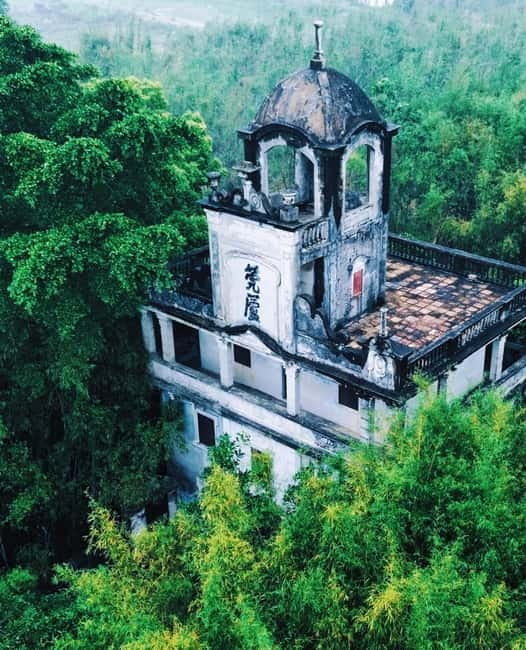
Kaiping’s Diaolou watchtowers are unlike almost anything else in China. Built by overseas Chinese families in the late 19th and early 20th centuries, they mix fortress, family home, and grand social statement. This tour takes you from Guangzhou into the countryside to see them at close range, not just from a coach window.
I like the mix of rural village walks and grand architecture, especially the stone paths through Zili Village’s rice paddies. I also like having a choice at the end: peaceful Majianglong is included, while Chikan Old Town offers a more urban, riverside setting for an extra 150 RMB.
The main drawback is the schedule. This is an approximately 11-hour day, and Kaiping is some distance from Guangzhou. Start as early as possible, particularly in hot weather, and expect a full day of walking, stairs, and travel.
Key points to know before you book
- Zili Village puts the towers in their best setting: Walk beside water-filled rice fields and climb one Diaolou for broad views.
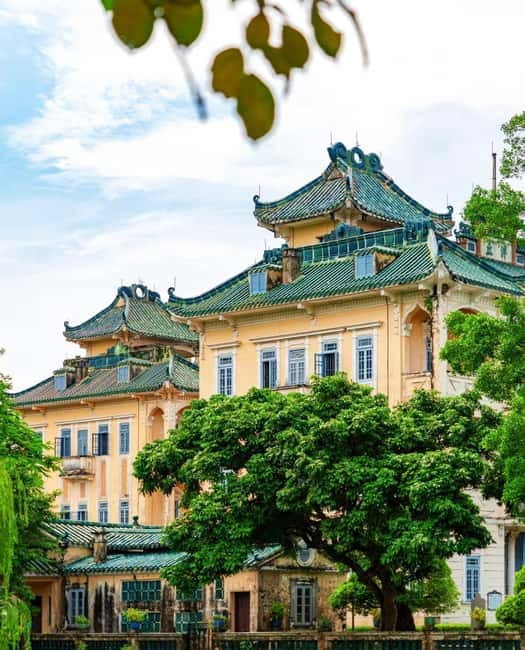
- Li Garden shows migrant wealth in architectural form: Chinese garden design meets Western-style villas, pavilions, ponds, and covered walkways.
- You choose only one final stop: Majianglong is included, while Chikan Old Town costs 150 RMB per person.
- The small group matters: Pickup is offered anywhere in Guangzhou city for groups of one to six people.
- Guides Tin and Vivian are named options: Tin is noted for being considerate, while Vivian is praised for clear explanations and close attention.
- Heat can shape the day: Bring your passport or ID, wear practical shoes, and plan for warm conditions around the open village sites.
Why Kaiping’s Diaolou towers are worth the long day
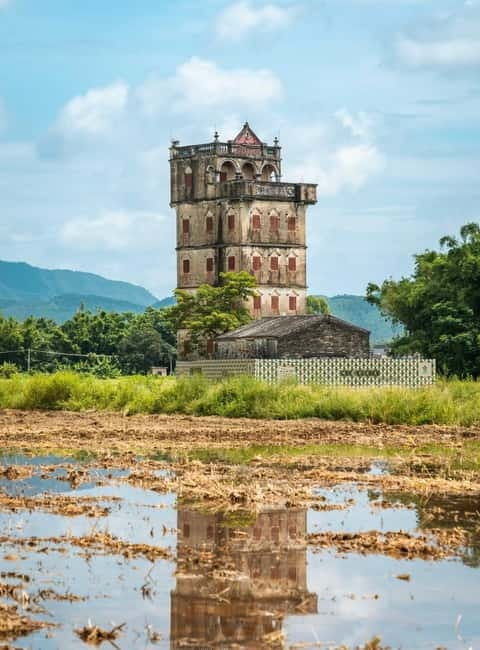
The Diaolou were built by Chinese families who had lived and worked abroad, especially in the Americas and Southeast Asia. When some returned home, they brought money, new ideas, and a taste for architectural styles they had seen overseas.
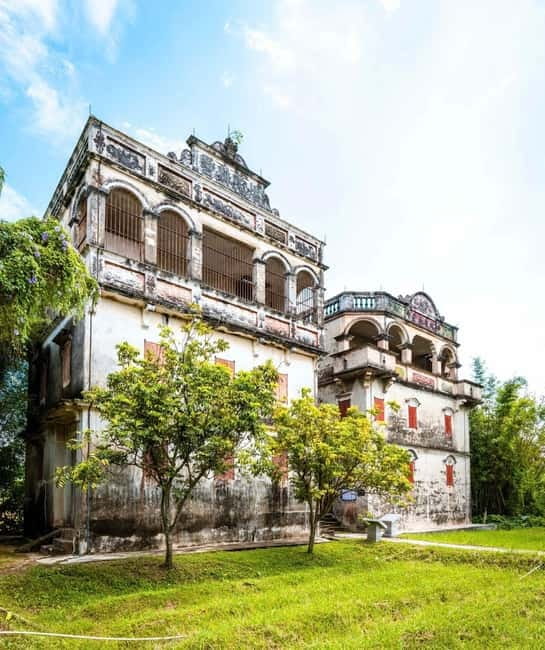
The result is a remarkable building type. A Diaolou could protect a family from bandits, provide living space, store valuables, and display the family’s success. Thick walls and high floors suggest defense, while decorative roofs, balconies, arches, and imported design touches show that these were not plain military towers.
That mixture gives Kaiping its appeal. You are not simply looking at old towers in isolation. You are seeing how migration changed village architecture and how local families used buildings to express both security and status.
The tour is especially useful if you want context along with photographs. Your guide introduces the story during the drive from Guangzhou and explains how the towers worked once you arrive. With a group of no more than six people, it should be easier to ask questions or adjust the pace than on a large coach excursion.
Other China days worth booking alongside this:
- From Beijing: Mutianyu Great Wall Tours with Options
★ 4.9 · 9,216 reviews - Beijing: Forbidden City Tour(Group/Private)-Tickets Included
★ 4.8 · 7,974 reviews - Beijing: T-Square & Forbidden City Group or Private Tour
★ 4.8 · 4,446 reviews
Zili Village and the rice-field views
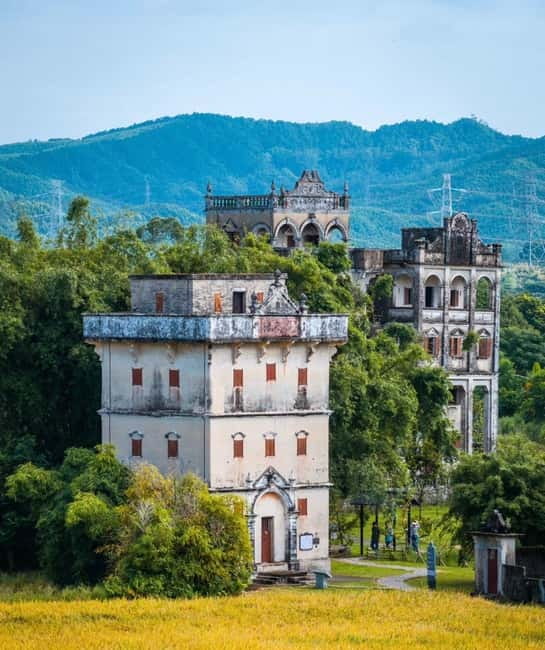
Zili Village is the visual centerpiece of the day. Its Diaolou cluster rises among rice paddies, water channels, and stone paths, giving you the classic Kaiping scene: tall, unusual towers surrounded by open countryside.
I like this stop because the setting makes the architecture easier to understand. From a distance, each tower has a strong silhouette. Up close, you can study the details and see how the buildings dominate the surrounding village. The water-filled fields also create attractive reflections and open views for photography.
Your walk takes you along paths between the paddies and up to several Diaolou. At least one tower can be climbed, giving you a higher view over the village and fields. That extra height helps you see why these structures were useful as watchtowers, not merely oversized homes.
The village is also where the rural character of the tour is strongest. You get away from Guangzhou’s city streets and spend time among farmland, old buildings, and quiet paths. Wear shoes with good grip, since the tour includes walking over stone surfaces and climbing stairs.
The tradeoff is exposure to the weather. Much of the appeal comes from being outside, and one guide noted that the heat could be tiring. An early pickup is a smart choice. It gives you more comfortable temperatures and more time to look carefully instead of rushing from one photo stop to the next.
Li Garden’s Chinese and Western mix
Li Garden gives the day a very different architectural rhythm. It was the private estate of a wealthy overseas Chinese merchant, and it combines classical Chinese garden ideas with Western-style villas and pavilions.
Expect ponds, rockeries, covered walkways, and planted garden areas. The setting is more ordered and ornamental than Zili Village. Instead of towers surrounded by fields, you move through a designed estate built to express comfort, taste, and prosperity.
The Western influence is most visible in the villas and decorative features. At the same time, the arrangement of water, rocks, paths, and garden buildings follows familiar Chinese principles. The result is not simply a European residence placed in China. It is a personal interpretation of both worlds.
I find Li Garden valuable because it gives social context to the Diaolou. The towers show how overseas wealth changed village defenses and homes. Li Garden shows how that same wealth could fund a private retreat with formal gardens and grand buildings.
Allow time here for interiors as well as outdoor views. The villas and pavilions are part of the point, so this is not a stop to rush through for a few garden photographs. If you enjoy architecture, family stories, or the way migration affects design, Li Garden may be your favorite stop.
Chikan Old Town or Majianglong Village
The final choice requires attention before the tour begins. Because of the distance and the limited time, you can visit only one of these two places. Tell your guide your preference in advance so the route can be arranged properly.
Same country, a completely different kind of day:
- Beijing: Mutianyu Great Wall Daily Tour with Ticket & Lunch
★ 5.0 · 3,056 reviews - All-Inclusive Tour: Tiananmen Square, Forbidden City, Great Wall
★ 5.0 · 2,873 reviews - MuBus: Mutianyu Great Wall ENG/ESP/RUS Guided Bus Tour
★ 5.0 · 2,361 reviews - 4-Hour Small Group Tour to Forbidden City with Entry Tickets
★ 5.0 · 1,863 reviews
Chikan Old Town for arcades and riverside streets
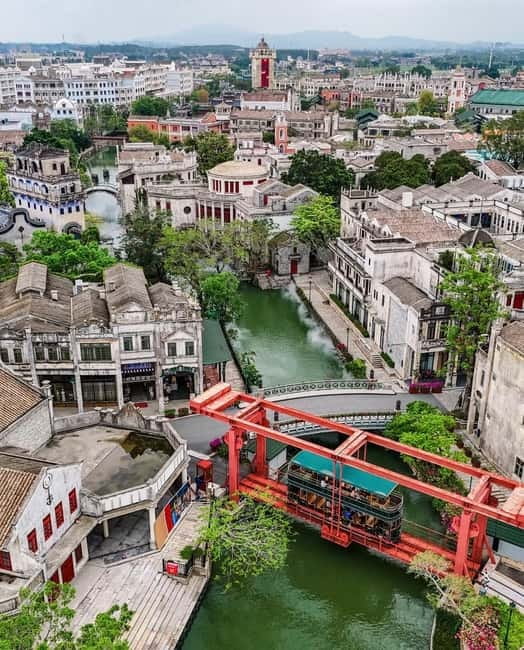
Chikan Old Town has a more commercial and town-like feel than the rural Diaolou villages. Its historic Qilou buildings have Western-influenced arcades on the lower floors and more traditional Chinese facades above.
You can walk along cobbled streets beside the river, passing old storefronts, cafes, and local snack vendors. The arcades provide shade and create strong photographic views, while the riverside setting gives the town a nostalgic atmosphere.
Choose Chikan if you want street scenes, old shops, and a sense of early 20th-century town life. It is also the better option if you would rather see how overseas Chinese influence shaped a commercial center instead of a village.
The important practical point is cost. Chikan Old Town is not included in the tour price and requires an additional 150 RMB per person. You should also be prepared for a shorter or more selective visit, since the tour cannot fit both Chikan and Majianglong into the same day.
Majianglong for quiet paths and bamboo
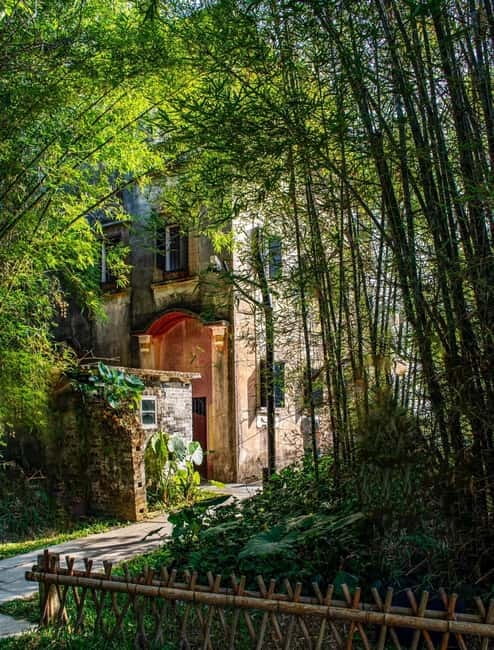
Majianglong offers a calmer finish. Bamboo-shaded lanes, canals, winding stone paths, and Diaolou towers create a more secluded village walk.
Here, the towers feel closely tied to the surrounding vegetation. You are not viewing them across broad rice fields as in Zili. Instead, you encounter them along paths that pass through greenery and beside water.
I would choose Majianglong if your priority is peace, photography, and a slower final stop. It is included in the tour ticket, which also makes it the simpler choice financially. After a long day, the shaded paths can feel gentler than another busy town visit.
Choose Chikan instead if you care more about arcades, shops, and riverside buildings. Neither option is universally better. They offer different versions of Kaiping, and the right choice depends on the kind of final hour you want.
What the $365 price really covers
At $365 per person, this is not a budget day trip. The value depends heavily on your group size and what you would otherwise need to arrange yourself.
The price includes pickup and drop-off anywhere in Guangzhou city, a guide in your selected language, admission to Zili Village, Li Garden, and Majianglong, plus one local snack and drink. The group size is limited to one to six people, so the price buys a more personal arrangement rather than a large bus experience.
That matters in Kaiping. The sites are spread out, the day is long, and the optional final stop affects the route. A guide who can explain the buildings and help organize the timing adds real value, especially if you do not read Chinese or do not want to manage several rural transfers.
For a solo visitor, $365 is a significant outlay. For a small group sharing a private vehicle and guide, it can make more sense, particularly when you value hotel pickup and a full itinerary. Lunch is not included, so add that cost to your budget. Your guide recommends lunch options during the day, but you should not assume that a meal is part of the booking.
The extra 150 RMB for Chikan is also worth factoring in before you decide between the two final stops. If you want to keep the day’s cost down, Majianglong is already covered.
Timing, transport, and the physical side of the tour
Pickup is arranged from your hotel or another location anywhere in Guangzhou city. Staff confirm the details the evening before, which is useful because a day this long needs a clear start time.
The drive out of Guangzhou is part of the experience, but it also takes time. One practical suggestion is to request the earliest sensible start. Starting earlier gives you more time at the towers and may reduce the strain of walking in summer heat.
Plan for approximately 11 hours from pickup to return. The day combines road travel, village paths, outdoor sightseeing, and at least some stairs. It is not suitable for wheelchair users, and anyone with limited mobility should ask detailed questions before booking.
Bring your passport or ID card. Wear light, comfortable clothing and shoes suited to uneven paths. The tour includes a local snack and drink, but lunch is separate, and you may want to carry water for the walking portions.
The language choice is broad: Chinese, English, Korean, Japanese, Spanish, French, and Russian are available. Confirm your preferred language when booking so the guide arrangement matches your needs.
What the guide adds to the experience
The guide is important here because the towers can look mysterious without explanation. You need someone to point out how a building served as a defensive lookout, a residence, and a sign of family success.
Tin is described as considerate and attentive during the day. Vivian is noted for explaining the sites clearly and watching out for the details that make a long private tour more comfortable. Those qualities matter when you are moving between several places and dealing with heat, stairs, and a packed schedule.
The small group format also gives you more room to shape the day. You can tell the guide early if Chikan or Majianglong is your priority, ask for more architectural detail, or signal when you need a short pause. The tour still has fixed limits, but it should not feel as rigid as a large group outing.
Who should book this Kaiping tour?
I would recommend it to anyone based in Guangzhou who wants a serious day outside the city and has a strong interest in architecture, migration, family history, or traditional villages.
It suits photographers because each stop offers a different setting: towers among rice fields, formal gardens, arcaded streets, or bamboo-shaded paths. It also works well for first-time visitors to Kaiping who want the major sights handled in one organized day.
Families and small groups may appreciate the private format and hotel pickup. The language options make it practical for international visitors, while the guide’s explanations add meaning to buildings that might otherwise be admired only for their unusual shapes.
I would hesitate if you dislike long day trips, hot outdoor walks, or changing between several sites. The tour is not designed as a slow village stay. It gives you a broad view of Kaiping in one day, but the cost is high and the schedule is demanding.
My call: choose the tour for access and context
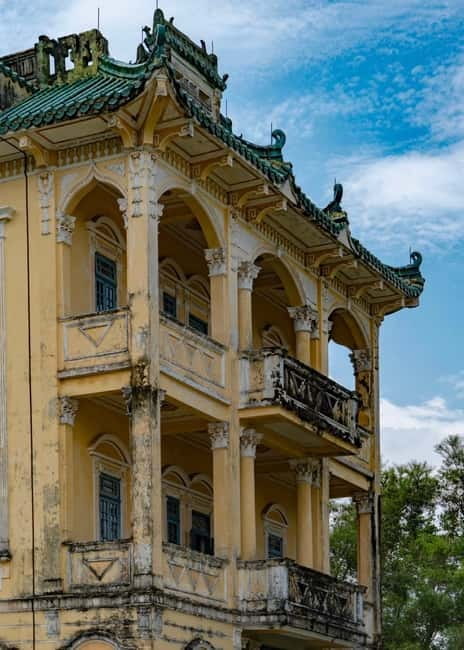
Book this tour if you want Kaiping’s key Diaolou sites without arranging rural transport yourself. The strongest part is the combination of Zili Village and Li Garden: one places the towers among fields, while the other explains the wealth and international influence behind them.
Choose Majianglong for a quieter finish and better value, since its ticket is included. Pay extra for Chikan only if arcades, riverside streets, and old commercial buildings appeal more than bamboo paths and village calm.
Start early, prepare for heat, budget separately for lunch, and decide your final stop before pickup. With those points in mind, the $365 price can be justified for a small group that wants a full, guided day rather than a complicated independent outing.
FAQ
How long is the Kaiping tour from Guangzhou?
The tour lasts approximately 11 hours, including hotel pickup and drop-off in Guangzhou city.
What sites are included in the tour?
The included sites are Zili Village, Li Garden, and Majianglong Diaolou Village.
Can I visit both Chikan Old Town and Majianglong Village?
No. Due to time limits, you can visit only one of these optional sites during the day.
How much does Chikan Old Town cost?
Chikan Old Town requires an additional ticket costing 150 RMB per person. This cost is not included in the tour price.
Is lunch included?
No. Lunch is not included. Your guide will recommend lunch options during the day.
Is hotel pickup available in Guangzhou?
Yes. Pickup and drop-off are available from anywhere in Guangzhou city, and the pickup details are confirmed the evening before.
What languages are available for the guide?
Guiding is available in Chinese, English, Korean, Japanese, Spanish, French, and Russian.
Is the tour suitable for wheelchair users?
No. The tour is not suitable for wheelchair users because it includes village paths and tower access.
Just added around China
- Hong Kong Airport to Hong Kong City Private Arrival Transfer★ 4.5 · 3 reviews
- Hong Kong Observation Wheel Ticket★ 5.0 · 3 reviews
- Hong Kong Palace Museum Ticket★ 5.0 · 3 reviews
- Hong Kong Peak Tram and Sky Terrace 428 Tickets (Optional)★ 3.5 · 22 reviews
- Hong Kong Private Walking Tour with a Local★ 5.0 · 6 reviews
- Hong Kong Market Walking Tour & Chinese Cooking Class★ 5.0 · 24 reviews
- Hong Kong : Must-See Attractions Walking Tour With A Guide★ 5.0 · 7 reviews
- Hong Kong: Lantau Island & Tai O Cruise, Skip The Line Cable Car★ 3.5 · 4 reviews
Tours, compared.


Forbidden City Tour(Group/Private)-Tickets Included
Read our review →
Mutianyu Great Wall Daily Tour with Ticket & Lunch
Read our review →
All-Inclusive Tour: Tiananmen Square, Forbidden City, Great Wall
Read our review →
4-Hour Small Group Tour to Forbidden City with Entry Tickets
Read our review →
Dolphin Cruise, Big Buddha & Lantau Island Tour
Read our review →
Authentic Local Food Tour in Central Shanghai
Read our review →