
Reviewed · HALF-DAY
Half-Day Private Custom Tour of Hong Kong
Hong Kong makes the most sense when you move through it like a local, not when you stare at it from a tour bus. This private five-hour outing links Hong Kong Island and Kowloon by foot, MTR, tram, bus, and Star Ferry, with your guide explaining what you are seeing as the city shifts from skyscrapers to wet markets and old temples.
I like the one-to-one planning and the chance to ask endless questions. I also like the practical side: guides such as Alfred, Andy, Mel, and Sinclair have helped visitors fit in local dim sum, roast duck, soybean pudding, markets, temples, and photo stops. The main catch is time. Five hours can cover a surprising amount, but not every stop on the enormous suggested list.
- Private route planning: Choose history, food, markets, shopping, photography, temples, major sights, or a mix.
- Public transport included: Your guide handles the MTR, ferry, tram, and bus as part of the walking tour.
- Hong Kong from two sides: Cross Victoria Harbour and see both Hong Kong Island and Kowloon.
- Strong guide focus: Alfred, Andy, Mel, Sinclair, Don, and Ben are singled out for clear explanations, patience, local advice, and flexible pacing.
- Food can shape the day: Dim sum, roast duck, egg tarts, tofu pudding, snake and mushroom soup, and local restaurants may fit the plan.
- Good first-day choice: You finish with a plan for exploring more of Hong Kong on your own.
A Private Five-Hour Introduction to Hong Kong
This is not a fixed sightseeing circuit. After meeting you at your hotel, the guide asks what you want from Hong Kong and builds the route around your answer. If you give no preferences, the plan becomes a broad introduction to major sights, local streets, and neighborhoods.
That flexibility matters in Hong Kong. You may have only two or three days, already have tickets for certain attractions, or care more about food and markets than polished landmarks. A private guide can skip places you have seen and spend time on the parts that fit your interests.
The tour is delivered in English unless you request Cantonese or Mandarin Chinese when booking. Guides also help with language barriers, restaurant ordering, transport, and questions about local customs. Several guides are praised for taking photos, too, which is useful when you are traveling as a couple or family and want everyone in the picture.
The tour begins with hotel pickup and ends with hotel drop-off. Airport and airport-hotel pickup costs an extra HK$173 per person. Children aged 11 and under go free, but you should tell the operator if you are traveling with children under 12.
Why the MTR, Tram, Bus, and Star Ferry Matter
The transport is part of the experience, not just a way to get from one stop to another. Hong Kong’s MTR shows you the city’s speed and efficiency, while the old-style tram gives you a slower view of the streets. Buses can reach higher or farther points, and the Star Ferry supplies one of the best short rides in the city.
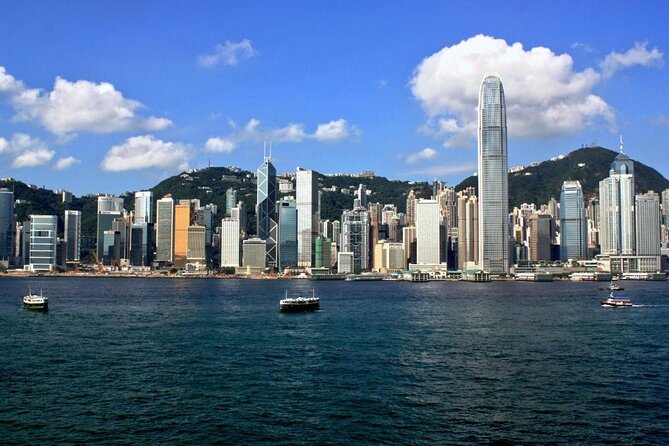
The Star Ferry is included. Crossing Victoria Harbour between Hong Kong Island and Kowloon gives you a quick orientation to the two main sides of the city, with towers and waterfront promenades changing position as you move. It also saves you from spending the entire tour underground.
The tour involves a moderate amount of walking. Wear shoes you can manage on sloped streets, stairs, market lanes, and long promenades. Your guide can adjust the pace, but the format is still an active one. This is not a seated sightseeing trip.
A few more Hong Kong trips to weigh up
- Private Half-Day Real Hong Kong Walking Tour
★ 5.0 · 70 reviews - Peaks to Piers, Half-Day Private Customised Tour In Hong Kong
★ 5.0 · 69 reviews - Half-day Private Hong Kong Island Tour: Victoria Peak, Repulse Bay, Aberdeen
★ 5.0 · 3 reviews
Victoria Peak and the Cost of Chasing the View
Victoria Peak is one of the clearest choices for a first visit. At 552 meters, it gives you a broad view across Hong Kong Harbour and the city. The tour description points to a lesser-known lookout reached by about a 15-minute walk, rather than limiting the stop to a crowded platform.
Peak can take more time than expected. Traffic, queues, weather, and the chosen transport can change the day. One poor experience involved a long wait for a bus and little time left for the other requested sights. Bad weather also caused one group to miss the Peak entirely.
The Peak Tram is not included, so check the cost before you commit to it. The guide can help you decide if the view is worth the time on your date. If your priority is markets, food, and the Star Ferry, say so clearly at the start. If the view is your top goal, make that clear too, then ask the guide to build the rest of the route around it.
Sheung Wan, Seafood Street, and Cat Street
Sheung Wan gives you one of the best early looks at older Hong Kong. Traditional shops sit near art spaces, antique dealers, narrow streets, and modern cafés. It is a useful district for understanding how old trades and newer businesses share the same tight urban space.
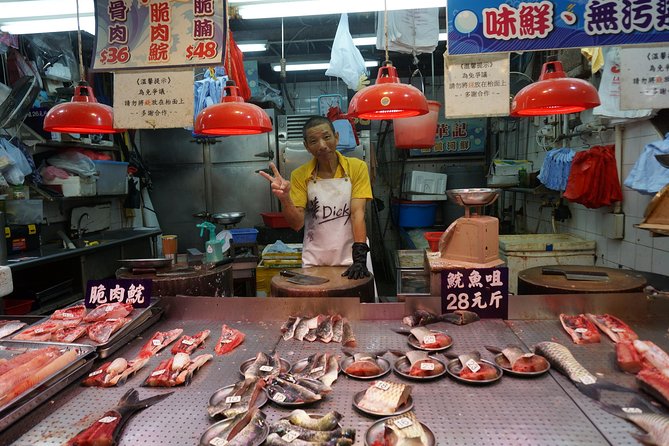
Seafood Street, along Des Voeux Road West, is known for dried seafood used in Chinese cooking and traditional tonics. You may see sacks, bundles, and shop displays that are unfamiliar if you are used to supermarket food aisles. Your guide can explain what you are looking at and how these ingredients fit into local cooking.
Cat Street, officially Upper Lascar Row, is more about browsing than guaranteed bargains. Its shops may carry antiques, old furniture, snuff bottles, posters, and decorative pieces. Do not expect the guide to find a rare treasure on demand. The value is in the street atmosphere and in learning how to look at objects with a bit more context.
Nearby Hollywood Road adds antique shops, art galleries, historic buildings, and colorful graffiti. These stops work well for people interested in photography, design, and city details rather than only famous viewpoints.
Man Mo Temple and Hong Kong’s Layered Past
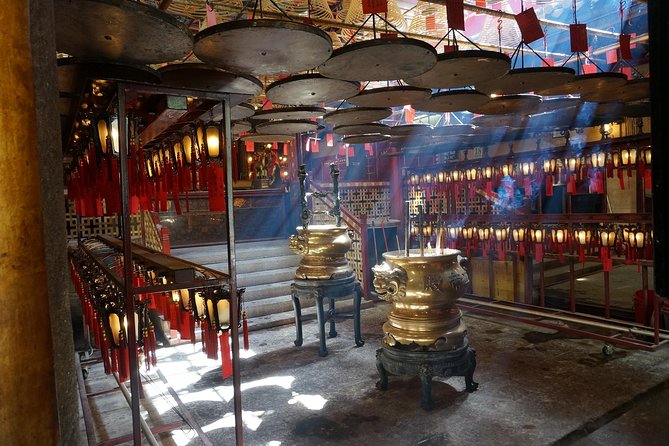
Man Mo Temple is a compact, atmospheric stop on Hollywood Road. It honors Man, the God of Literature, and Mo, the God of War. Ambitious students once prayed to these figures for success in the Imperial Chinese civil examinations.
A private guide makes a difference here because the building can be quick to pass through on your own. You can ask about the incense coils, the worship practices, and the way traditional beliefs remain part of modern city life. Keep the visit respectful, especially during busy periods.
The tour may also include Tai Kwun, the restored Central Police Station compound. It combines heritage buildings with contemporary art, performing arts, and lifestyle spaces. The former police and prison site offers a different way to see Hong Kong’s past, while the restored complex gives you a place to pause from the streets.
Same country, a completely different kind of day:
- Hong Kong: Dolphin Cruise, Big Buddha & Lantau Island Tour
★ 4.2 · 1,512 reviews - Ngong Ping 360: Cable Car Return Tickets & Combos
★ 4.6 · 1,431 reviews - Lantau Island Day Trip – Big Buddha & Tai O
★ 4.5 · 1,328 reviews - Big Bus Hong Kong Open Top Hop-On Hop-Off Sightseeing Tour
★ 4.0 · 1,077 reviews
Central, the Mid-Levels Escalator, and Hong Kong Park
Central is where finance, old lanes, luxury hotels, government buildings, shops, and tiny restaurants crowd together. The district is not just about glass towers. Sloped streets and small alleys reveal a more complicated side of the city.
The Mid-Levels Escalator is a practical piece of city life and a popular sight in its own right. The outdoor system runs about 800 meters and rises through the neighborhoods above Central. The ride itself takes around 20 to 25 minutes, though you may get on and off along the route.
Hong Kong Park provides a pause from the hard edges of Central. It includes an aviary, a greenhouse, the Flagstaff House Museum of Tea Ware, and carefully planned gardens. The stop suits you if you need a quieter stretch after markets and traffic. It also gives a guide room to explain how Hong Kong uses small urban spaces for recreation.
SoHo, south of Hollywood Road, brings restaurants, bars, and nightlife into the same network of steep streets. The guide can include it for food, architecture, or a look at the district’s changing character. Since food and drinks are not included, plan to pay directly for anything you order.
Victoria Harbour, Tsim Sha Tsui, and the Film Connection
After crossing to Kowloon, the Tsim Sha Tsui waterfront offers some of the city’s best harbor views. The promenade begins near the old Clock Tower and continues past the Hong Kong Cultural Centre and Avenue of the Stars.
The Former Kowloon-Canton Railway Clock Tower is a 44-meter red-brick and granite reminder of the railway terminus that once served the area. The station is gone, but the tower remains an easy landmark near the water.
Avenue of the Stars celebrates Hong Kong’s film industry. The Bruce Lee statue is one of its most recognizable photo stops. The area works especially well when you want skyline pictures, movie connections, and a straightforward walk beside the harbor.
The Peninsula Arcade adds a look at one of Hong Kong’s best-known hotels, opened in 1928. Its Rolls-Royce fleet and grand setting provide a sharp contrast with the street markets farther north. That contrast is one of the strengths of a custom route, though you should not try to squeeze every harbor stop into a short morning.
Mong Kok, Ladies Market, and Goldfish Street
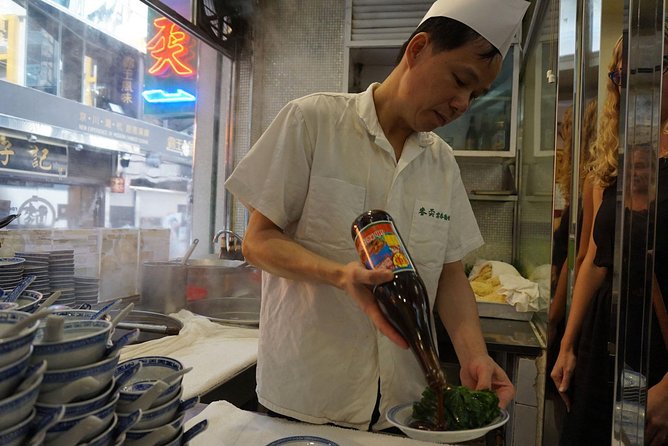
Mong Kok is dense, noisy, and full of street-level commerce. It is the place to go when you want to see Hong Kong’s shopping districts operating at full speed.
Ladies Market stretches for about one kilometer with more than 100 stalls selling clothing, accessories, souvenirs, and small gifts. You can practice bargaining, but keep your expectations sensible. The attraction is the energy and variety, not a guarantee of a remarkable bargain.
Goldfish Street on Tung Choi Street North offers a very different shopping scene. Stores sell goldfish and tropical fish, along with supplies for keeping them. Even if you have no interest in buying anything, the displays make this a memorable short stop.
The Flower Market adds color and scent, with shops and wholesalers selling flowers and plants associated with luck and good fortune. These three markets can fill much of your five hours if you stop to browse, ask questions, and eat. Tell your guide which one matters most.
Kowloon City, Sham Shui Po, and Two Quieter Cultural Stops
Kowloon City covers old neighborhoods, suburban streets, historic sites, and the former Kai Tak airport area. It is a good choice if you want a district that feels less polished and more residential than the main tourist zones. The suggested visit can last about an hour, so it needs to be a deliberate choice.
Sham Shui Po is another strong option for local street life and inexpensive shopping. Its blue-collar character gives you a different view of Hong Kong from the towers of Central and Tsim Sha Tsui. You can ask the guide to focus on food, markets, or neighborhood details.
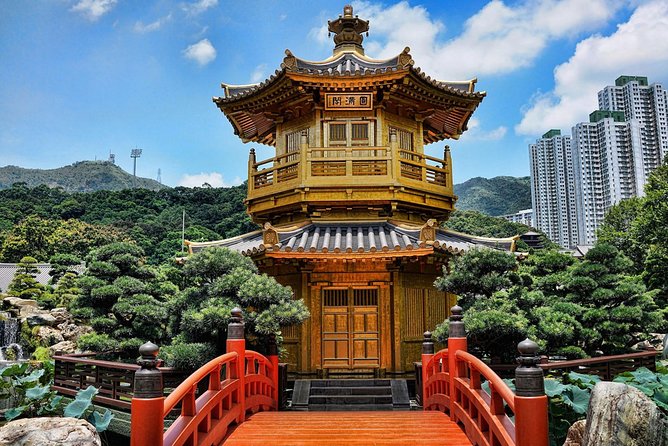
For a calmer change, choose Chi Lin Nunnery and Nan Lian Garden. Chi Lin Nunnery uses Tang dynasty-style wooden architecture and contains Buddhist relics. Nan Lian Garden covers 3.5 hectares and includes a Golden Pagoda and Red Bridge, with carefully arranged planting and water features.
These sites take time to reach, so they do not pair easily with every island and harbor highlight. I would choose them for a slower cultural morning, not as add-ons to a packed checklist.
Wan Chai, Causeway Bay, and Wong Tai Sin Temple
Wan Chai mixes older tenement buildings, temples, bars, restaurants, and newer businesses. It suits you if you like city districts that show change in progress rather than a single polished identity.
Causeway Bay is Hong Kong’s major retail center, with department stores, designer brands, and street-style shopping. A short stop gives you a taste, but serious shoppers need more time than this tour allows.
Wong Tai Sin Temple offers a different kind of cultural visit. Taoism, Buddhism, and Confucianism are represented at the temple, which is associated with making wishes. Its ornate buildings and religious activity make it worth choosing if temples interest you.
Aberdeen and Stanley Require a Longer Reach
Aberdeen Fishing Village brings you to the southern side of Hong Kong Island. The suggested experience includes a sampan ride for a closer look at the local fishing community, but that boat ride is not included in the tour price.
Stanley is a seaside village with a popular market, restaurants, and a slower pace than Central. The suggested visit can last an hour, so it is best treated as the main purpose of your five hours. Trying to combine Stanley with Peak, Kowloon markets, and several Central sights would make the day rushed.
These southern stops are valuable because they show a side of Hong Kong that skyscraper views cannot. The tradeoff is travel time. Ask your guide to map the route before setting off.
Food Stops and the Best Way to Customize
Food is one of the easiest ways to turn this from sightseeing into a personal introduction to Hong Kong. Past tours have included dim sum, roast duck, tofu pudding, egg tarts, snake and mushroom soup, local restaurants, food stalls, and indoor fish and meat markets.
Food is not included, so you pay for your own meal and snacks. Tell the guide what you will and will not eat, and say if you need a proper meal rather than quick tastings. A local guide can help with ordering and can steer you toward the style of food you want, but the exact restaurant depends on the route and timing.
Before the guide arrives, choose two or three priorities. For example: Peak and the Star Ferry, old neighborhoods and temples, or markets and lunch. Asking for all 35 suggested stops is not realistic in five hours.
Price, Pace, and Who Gets the Best Value
At $231.03 per person, this is not a budget sightseeing option. You are paying for a private guide, hotel pickup and drop-off, transport during the walking tour, the Star Ferry, language help, and a route shaped around your group.
The value is strongest for a first visit, a short stay, families, and people who dislike spending time figuring out Hong Kong’s transport system. It also works well if you want local food or have a specific request that a fixed group tour cannot handle.
The value is weaker if you only want a standard list of landmarks, prefer to explore independently, or expect every suggested stop to fit into five hours. Taxis are extra if you choose one, Peak Tram tickets are extra, and food and drinks are extra. You can extend the tour at HK$350 per hour, subject to arrangement after booking.
Weather and public holidays deserve attention. Tours run as scheduled except during Red or Black storm warnings or Typhoon 8 and above. Heavy rain can spoil viewpoints and slow walking, so bring suitable clothing and wear comfortable shoes.
Should You Book the Hello Hong Kong Tour?
Book it if you want a private introduction that teaches you how to move around Hong Kong and helps you see beyond the main postcard views. I would especially consider it for a short first visit, a family group, or anyone who wants food, markets, temples, and history mixed into the same morning.
Be specific before the day begins. Tell the operator and guide your top three sights, your food wishes, walking limits, and any places you have already visited. If Peak is essential, make it the anchor. If markets and lunch matter more, do not let one long queue consume the morning.
The strong guide reports, especially for Alfred, Andy, Mel, Sinclair, Don, and Ben, point to the real strength here: a good guide can turn five hours into a useful map of the city. The experience is worth booking when you value that personal help more than a low price.
FAQ
How long is the private Hong Kong tour?
The tour lasts approximately five hours. Full-day extensions may be arranged after booking for an additional HK$350 per hour.
Is hotel pickup included?
Hotel meet-up and drop-off are included. Pickup from an airport or airport hotel costs HK$173 per person.
Which forms of transport are used?
The tour uses public transportation as part of the walking experience. Depending on your route, this may include the MTR, Star Ferry, tram, bus, and walking.
Is the Peak Tram included?
No. Peak Tram tickets are not included. Food, drinks, and taxi costs are also paid separately if you choose those options.
Can I choose the places I visit?
Yes. The itinerary can be shaped around your interests, including history, culture, food, markets, shopping, photography, temples, and major sights. If you provide no preferences, the guide gives you a broad city introduction.
Is the tour available in languages other than English?
Tours are offered in English, Cantonese, and Mandarin Chinese. You should request your preferred language when booking.
Just added around Hong Kong
- Hong Kong Airport to Hong Kong City Private Arrival Transfer★ 4.5 · 3 reviews
- Hong Kong Observation Wheel Ticket★ 5.0 · 3 reviews
- Hong Kong Palace Museum Ticket★ 5.0 · 3 reviews
- Hong Kong Peak Tram and Sky Terrace 428 Tickets (Optional)★ 3.5 · 22 reviews
- Hong Kong Private Walking Tour with a Local★ 5.0 · 6 reviews
- Hong Kong Market Walking Tour & Chinese Cooking Class★ 5.0 · 24 reviews
- Hong Kong : Must-See Attractions Walking Tour With A Guide★ 5.0 · 7 reviews
- Hong Kong: Lantau Island & Tai O Cruise, Skip The Line Cable Car★ 3.5 · 4 reviews
Half-Day, compared.
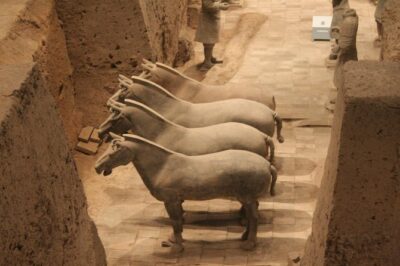
Half-Day Mini Group Xian Tour to Terracotta Warriors Museum
Read our review →
Half-Day Chengdu Cooking Class with a Local Market Visit
Read our review →
Private Half-Day Chengdu Panda Breeding Center Tour with Optional Volunteer
Read our review →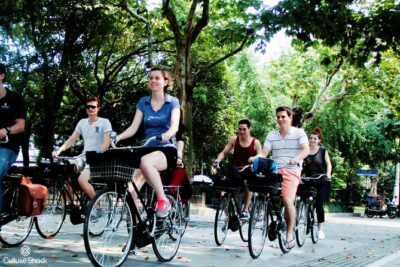
Half-Day Bike Tour of Shanghai Old Town with Food Tasting
Read our review →
Private Half-Day Tour of Xi’an Terracotta Warriors
Read our review →
Half-Day Private Zhujiajiao Water Town Tour with Boat Ride from Shanghai
Read our review →
All Inclusive Private Half-day tour to the Terracotta Warriors
Read our review →Browse the lists this tour appears in