
Reviewed · HONG KONG TOURS
Explore Hong Kong: Sham Shui Po – Every Bit Local!
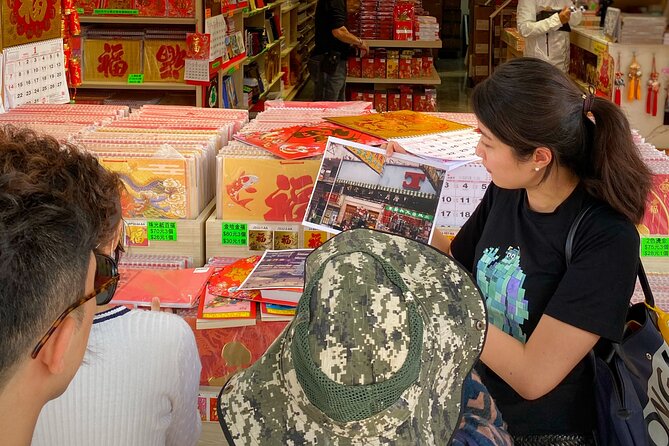
Sham Shui Po is where Hong Kong feels most local: old food shops, family-run stalls, narrow market streets, and working-class traditions still shape daily life. This small-group walk connects those details through breakfast, tofu, herbal tea, and dim sum, rather than treating the neighborhood as a quick photo stop. I like the genuine food focus, and I like that you get behind-the-scenes access at Kung Wo Beancurd Factory.
The group is capped at eight, which should make Angel or another local guide easier to hear and allows room for questions. I also like the mix of food and street life, from silky congee to Fuk Wing Street’s toy market. The main consideration is the price: at $102.15 per person for roughly two hours, you are paying for personal guiding and included tastings, not a long meal or a full-day tour.
Key details to know before you book
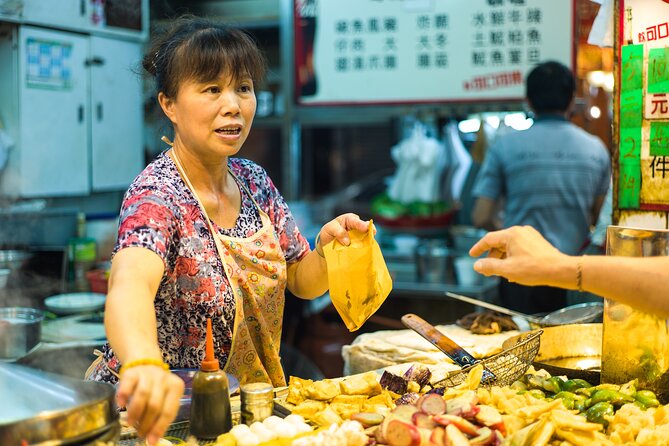
- Breakfast starts the morning with congee and milk tea, giving you a proper taste of familiar Hong Kong comfort food.
- Kung Wo Beancurd Factory preserves old tofu-making methods, adding a working food business to the usual sightseeing route.
- Fuk Wing Street brings local market life into the tour, with toys, herbal tea, and family food traditions.
- Tim Ho Wan provides the finale, with Cantonese dim sum at the Sham Shui Po branch.
- The group has a maximum of eight people, a useful size for a narrow-street food walk.
- Public transport is not included, and an Octopus card is recommended for getting around Hong Kong.
Why Sham Shui Po makes a strong food stop
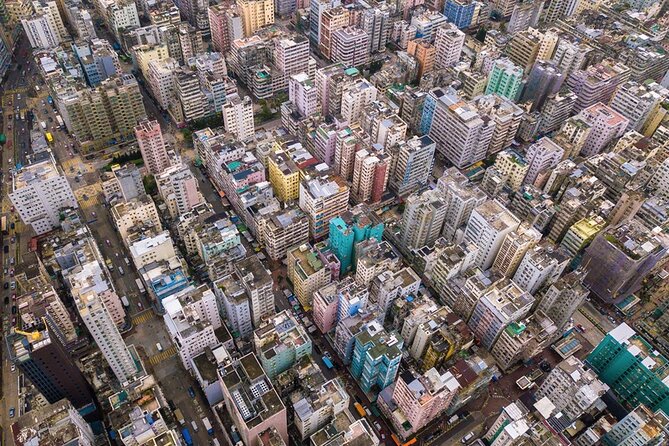
Many Hong Kong food tours stay near the polished center of town. Sham Shui Po offers a different view. It is a grassroots neighborhood where food is tied to routine, work, family, and neighborhood memory.
That matters because you are not simply sampling dishes in a restaurant district. You are walking through the streets where people shop for daily needs and where older food methods still have a place. The tour’s stops bring together several sides of the area: breakfast culture, tofu production, street markets, medicinal drinks, and Cantonese dim sum.
The route is also compact. At about one hour and 40 minutes to two hours, it fits neatly into a morning or an early afternoon. You will not spend half a day moving between distant districts. The trade-off is that each stop is a taste of the area rather than a long visit.
The meeting point is Sham Shui Po Station Exit D2, at Fuk Wing Street in Un Chau. Since the tour ends back at the meeting point, you can continue exploring Sham Shui Po afterward or take the MTR to your next stop.
Other Hong Kong days worth booking alongside this:
- Hong Kong: Dolphin Cruise, Big Buddha & Lantau Island Tour
★ 4.2 · 1,512 reviews - Ngong Ping 360: Cable Car Return Tickets & Combos
★ 4.6 · 1,431 reviews - Lantau Island Day Trip – Big Buddha & Tai O
★ 4.5 · 1,328 reviews
Congee and milk tea at the opening tea house
The first stop sets the tone with a traditional Hong Kong breakfast. You can expect silky congee with artisanal toppings and aromatic milk tea brewed in the local style.
Congee may look plain, but it is one of the best foods for understanding everyday Hong Kong cooking. The texture is soft and smooth, and the toppings add the sharper flavors and contrasting textures that turn a simple rice porridge into a full breakfast. This is not presented as a fancy tasting menu. It is a look at a familiar morning meal.
Milk tea is just as important. Hong Kong-style milk tea is known for its strong tea character and smooth, creamy finish. It is closely tied to neighborhood cafés and quick breakfasts. Starting here gives you a useful reference point for later food stops, since you will already have tasted one of the city’s most recognizable drinks.
The scheduled time is about 30 minutes, and breakfast is included. That is enough for an introduction, though not enough for a leisurely café session. If you like to eat slowly or take many food photographs, the pace may feel brisk.
I would arrive hungry. Breakfast is one of the included food elements, and you will enjoy the walk more if you can focus on the flavors instead of treating the first stop as a token sample.
Behind the doors of Kung Wo Beancurd Factory
The tofu factory is the most distinctive stop on the route. Kung Wo Beancurd Factory is described as the neighborhood’s oldest tofu factory, with traditional methods preserved over decades.
This gives the tour a useful change of pace. You move from eating finished food to seeing how a basic ingredient is made and used. Tofu is central to many Chinese dishes, yet visitors often encounter it only on a plate. A factory visit gives the ingredient a physical and human context.
The important phrase here is behind-the-scenes access. You should expect an introduction to the traditional production process rather than a large museum-style display. The supplied details do not promise a full demonstration, workshop, or chance to make tofu yourself, so it is best to think of this as a guided look at a long-running local business.
The visit is scheduled for about 30 minutes and admission is included. That makes it a good value within the food walk, especially if you enjoy learning how ordinary foods are produced. It also helps break up the eating. Two hours of constant sampling can feel repetitive, while this stop gives you something to watch and discuss.
For visitors interested in food traditions, this may be the strongest part of the route. For someone who wants only restaurant tastings, it may feel less exciting than the dim sum stop. I would keep an open mind. The factory is the kind of place that shows how neighborhood food culture survives in practical, working settings.
Fuk Wing Street and the local market rhythm
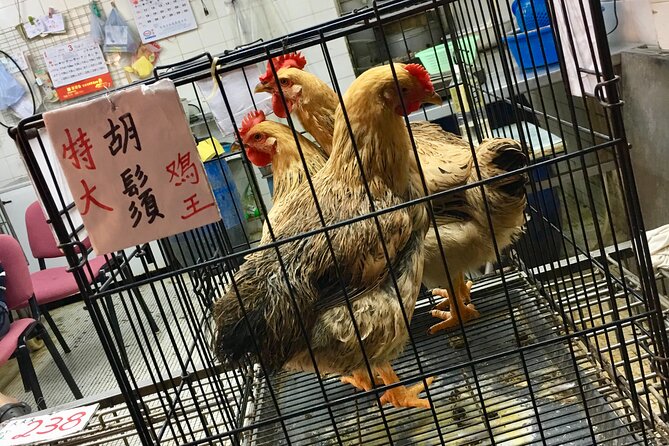
Fuk Wing Street is known as Toy Street, and the tour uses it to show the neighborhood at street level. You will move alongside local residents, browse market activity, and sample herbal teas.
The toy connection adds a playful note to a route otherwise centered on older food traditions. You might find the street especially interesting if you enjoy ordinary shopping areas more than carefully staged attractions. The value is in seeing the neighborhood function, not just photographing its façades.
The herbal tea tasting brings another part of Cantonese food culture into the day. Herbal drinks can be tied to family habits, seasonal routines, and old household recipes. The available details do not specify the exact tea or recipe, so your guide’s explanation will matter. Angel is described in the provided feedback as someone who explains local traditions carefully and keeps the group involved, though the guide assigned to your date is not guaranteed by the tour information.
This stop is listed at about 30 minutes, but unlike the other stops, admission is not included. That wording is worth noting. It may refer to any purchases you make along the street, including extra snacks or drinks. Bring some Hong Kong dollars or a convenient payment method if you want to buy more than the included tastings.
The market section also makes comfortable shoes sensible. The tour is short, but it involves walking through public streets and moving from one food stop to another. Public transportation is not included, and an Octopus card is recommended for your wider Hong Kong travel. The starting point is at an MTR station, so reaching the meeting point should be straightforward if you are already using the rail system.
Same country, a completely different kind of day:
- Big Bus Hong Kong Open Top Hop-On Hop-Off Sightseeing Tour
★ 4.0 · 1,077 reviews - Hong Kong Day Tour: City Landmarks & Highlights
★ 4.5 · 798 reviews - Hong Kong International Airport Plaza Premium Lounge Access
★ 3.5 · 787 reviews - Hong Kong Disneyland Park Tickets
★ 4.6 · 522 reviews
Tim Ho Wan brings the Cantonese finish
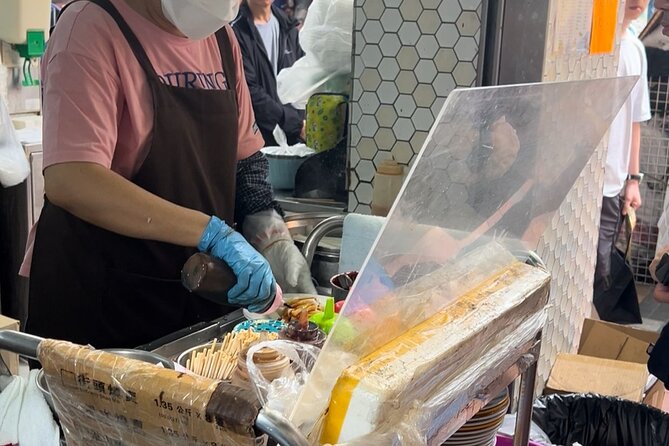
The final scheduled stop is Tim Ho Wan in Sham Shui Po. The restaurant is known for Michelin recognition and dim sum, making it a recognizable name after several more neighborhood-focused stops.
That contrast works well. The tofu factory and street market show the local foundations of food culture. Tim Ho Wan gives you a polished example of Cantonese dim sum, with dumplings and other small dishes prepared in a more formal restaurant setting.
The wording suggests that you will also visit additional Michelin-recommended food spots, but the exact number and names are not provided. Your guide should explain how those extra stops fit into the route. Do not assume that every dish at every restaurant is included. The tour specifies breakfast and snacks as included, while the full cost of any extra food or drinks is not clearly detailed.
The Tim Ho Wan visit is scheduled for 30 minutes. That is enough for a focused tasting, but it is not a long dim sum lunch. If you want to order widely, linger over tea, or sample a large range of dumplings, plan to return on your own after the tour.
I like finishing here because it gives the experience a clear arc. You begin with a home-style breakfast, see an old food-making method, walk through a neighborhood market, and end with one of Hong Kong’s best-known dim sum names. The route moves between humble and famous without losing its Sham Shui Po setting.
What $102.15 means in practical terms
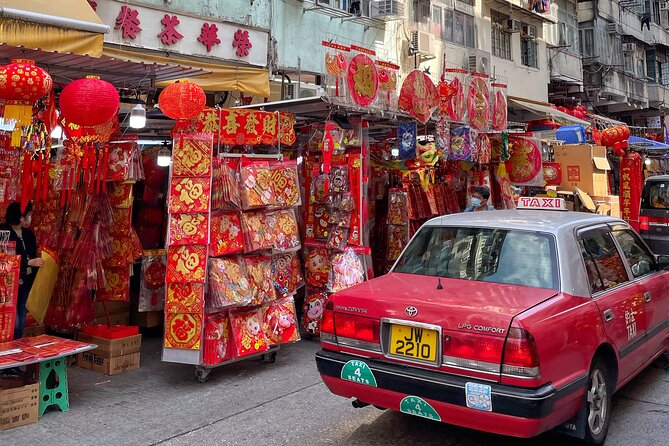
At $102.15 per person, this is not a budget street-food crawl. The price makes more sense if you value a private-feeling small group, a local guide, explanations in English or your booking language, and a planned route through several food traditions.
Breakfast and snacks are included, along with the factory access and guiding. You are not paying only for the amount of food on the table. You are paying for someone to connect the dishes to the streets, explain local customs, and keep a compact group moving through a neighborhood that can be difficult to interpret on your own.
Still, you should set realistic expectations. The tour lasts under two hours, public transportation is extra, and the information provided does not promise a large meal. If your main goal is to eat as much as possible for the lowest cost, you can likely spend less by visiting Sham Shui Po independently.
The price is easier to justify for a first visit to Hong Kong, especially if you have limited time and want a guided introduction to a district outside the standard sightseeing circuit. It is also a reasonable choice if you prefer a small group to a crowded bus tour. The maximum of eight people supports a more personal feel and should make it easier to ask about ingredients, customs, and neighborhood history.
The guide and the small-group feel
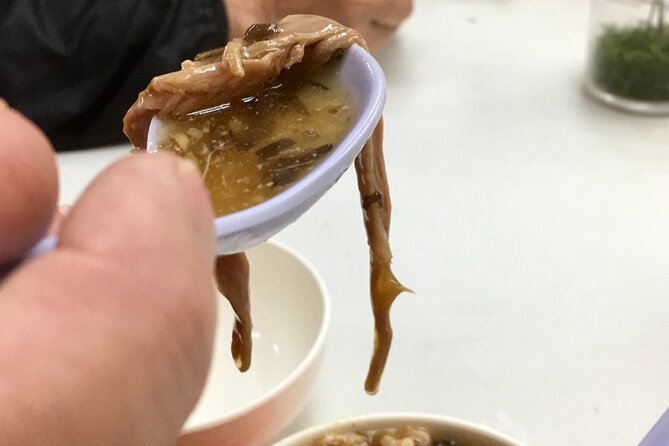
The tour is operated by Hong Kong Greeters Private Tours. Angel is named in the available feedback and is described as attentive, careful in explaining traditions, and good at making sure the group stays engaged. The comments also point to a cozy feeling created by very small groups.
That praise comes from related Explore Hong Kong activities, including outings in Yuen Long and festival-themed food tours. It does not guarantee that Angel will lead every Sham Shui Po departure, so check the booking details if having this particular guide matters to you.
A maximum of eight people is one of the strongest practical features. Food walks work better when the group can gather around a stall or listen in a small shop without blocking half the pavement. It also gives you a better chance to ask questions than you would have on a large organized tour.
The guide’s role is especially important at the tofu factory and herbal tea stop. Without explanation, you might simply see a shop and taste a drink. With context, those stops can show how food habits connect to family knowledge and local work.
Who will enjoy this walk most
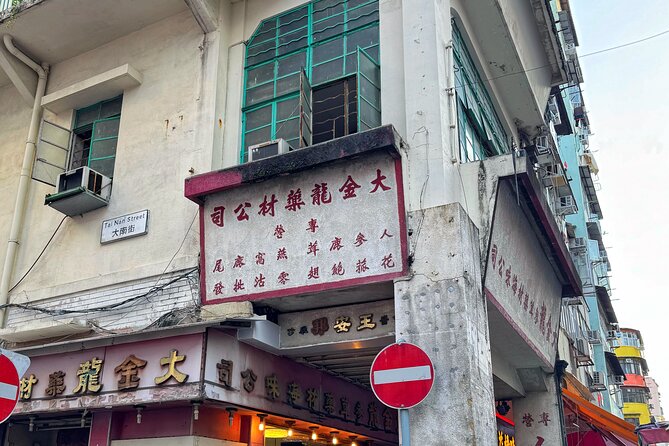
I would recommend this experience to you if you want a short, guided introduction to Sham Shui Po and prefer local food traditions over major landmarks. It suits first-time visitors who want structure, food-focused couples, and small groups looking for a more personal outing.
It can also work well for repeat visitors. The route is not built around Hong Kong’s headline attractions, so it offers a different side of the city. The neighborhood food stops give you reasons to return independently after the tour.
Families may appreciate the toy street and short duration, though the provided information does not specify a children’s menu or age range. Most people can participate, and service animals are allowed. Since this is a street-based walk, you should be comfortable moving between stops and standing or walking for much of the experience.
I would hesitate if you need a long seated meal, dislike traditional food textures, or want a broad city tour with viewpoints and landmarks. This is a focused neighborhood food experience, not a general introduction to all of Hong Kong.
Timing, transport, and cancellation details
The meeting point is Sham Shui Po Station Exit D2 at Fuk Wing Street, Un Chau, Hong Kong. The walk returns to that same meeting point, making it easy to continue your day from there.
Public transportation is not included. An Octopus card is recommended for Hong Kong transit, so bring one if you already use it or plan to take the MTR and buses during your trip.
Confirmation is normally sent at booking. If you book within two days of the activity, confirmation may arrive within 48 hours and depends on availability. The experience requires good weather. If poor weather causes cancellation, you will be offered another date or a full refund.
You can cancel for a full refund up to 24 hours before the local start time. Cancellations or changes made less than 24 hours ahead are not accepted for a refund.
Should you book Explore Hong Kong: Sham Shui Po?
Book it if you want a compact, food-led look at one of Hong Kong’s most local districts, and if a small group with a guide is worth the added cost. The tofu factory, herbal tea, Toy Street, and Tim Ho Wan give the walk more range than a simple restaurant crawl.
Skip it if you are focused on maximum food quantity or want to explore independently on a tight budget. For everyone else, this is a well-shaped introduction to Sham Shui Po, especially when you have only a morning or afternoon and want your meal stops to come with local context.
FAQ
Where does the Sham Shui Po tour start?
It starts at Sham Shui Po Station Exit D2, at Fuk Wing Street in Un Chau, Hong Kong.
Where does the tour end?
The activity ends back at the meeting point.
How long does the experience last?
It lasts approximately one hour and 40 minutes to two hours.
How many people can join the tour?
The tour has a maximum of eight participants.
Is breakfast included?
Yes. Breakfast is included, with congee and milk tea at the opening tea house.
Is public transportation included?
No. Public transportation is not included, and an Octopus transit card is recommended.
Are service animals allowed?
Yes. Service animals are allowed.
What happens if bad weather cancels the tour?
You will be offered a different date or a full refund if the experience is canceled because of poor weather.
Just added around Hong Kong
- Hong Kong Airport to Hong Kong City Private Arrival Transfer★ 4.5 · 3 reviews
- Hong Kong Observation Wheel Ticket★ 5.0 · 3 reviews
- Hong Kong Palace Museum Ticket★ 5.0 · 3 reviews
- Hong Kong Peak Tram and Sky Terrace 428 Tickets (Optional)★ 3.5 · 22 reviews
- Hong Kong Private Walking Tour with a Local★ 5.0 · 6 reviews
- Hong Kong Market Walking Tour & Chinese Cooking Class★ 5.0 · 24 reviews
- Hong Kong : Must-See Attractions Walking Tour With A Guide★ 5.0 · 7 reviews
- Hong Kong: Lantau Island & Tai O Cruise, Skip The Line Cable Car★ 3.5 · 4 reviews
Hong Kong Tours, compared.

Dolphin Cruise, Big Buddha & Lantau Island Tour
Read our review →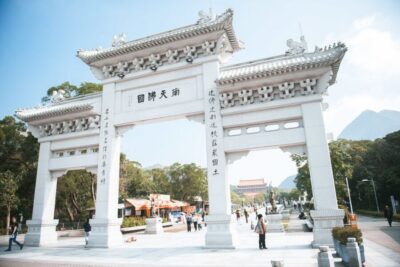
Ngong Ping 360: Cable Car Return Tickets & Combos
Read our review →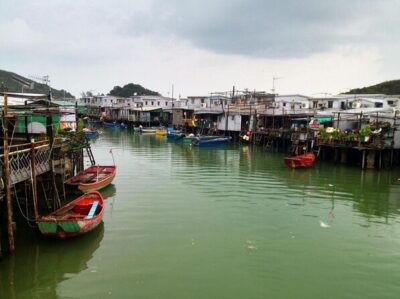
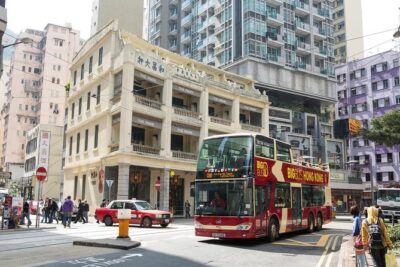
Big Bus Hong Kong Open Top Hop-On Hop-Off Sightseeing Tour
Read our review →
Hong Kong Day Tour: City Landmarks & Highlights
Read our review →
Ngong Ping 360 Cable Car Ticket on Lantau Island
Read our review →
Private Hong Kong Tour with a Local, Highlights & Hidden Gems 100% Personalised
Read our review →
Dark Side of Hong Kong – Kowloon Caged Homes Walking Tour
Read our review →Browse the lists this tour appears in