
Reviewed · SHOW
Sichuan Culture Opera Show in Chengdu
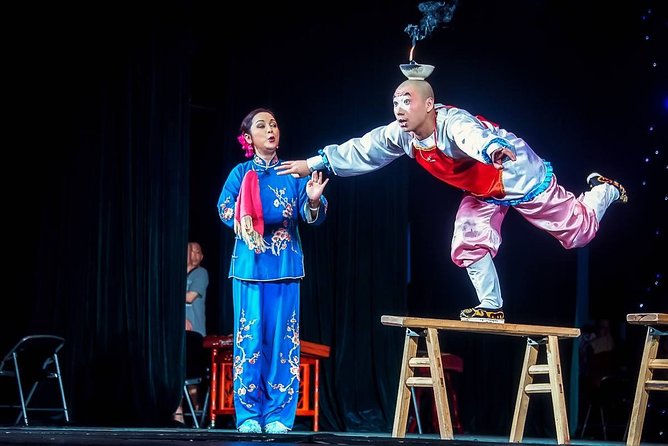
Sichuan Opera is less a single opera than a fast-moving variety show, and that is exactly its charm. At Shufeng Yayun Teahouse, you might watch shadow puppets one moment, acrobats the next, then see a performer change painted faces in a blink. The famous face-changing act is the star, but the full 90-minute program gives you a broader look at Sichuan performance traditions.
I like the easy evening timing and the steady tea service at bamboo tables. I also like that the show works even when you do not understand Chinese, thanks to its strong visual acts and English explanations for some introductions. The main drawback is the optional VIP package: details about makeup, costumes, massage, and ear grooming can be unclear, so arrive early and confirm exactly what your upgrade includes.
Key points to know before booking
- Face changing is the main event: Sit near the front if seeing the masks clearly matters to you.
- The 90-minute format works well: You get a full cultural evening without giving up the rest of your night.
- Tea comes with every ticket: Jasmine tea is served at your table, with snacks available on selected options.
- The program is a variety show: Expect puppetry, shadow play, folk music, dance, comedy, acrobatics, and opera scenes.
- VIP extras require planning: Arrive at least 30 minutes early, and preferably an hour early for makeup, costume, massage, or ear grooming.
- You arrange transport yourself: The show begins at 8 pm, and taxi fare is not included.
Why Sichuan Opera works so well as a first Chengdu show
If you have never seen Chinese opera, a long, serious performance in an unfamiliar language may sound like hard work. This Chengdu production takes a friendlier route. It breaks the evening into short acts, each with its own style, rhythm, and visual hook.
You will see singers and musicians in traditional costumes, comic scenes based on folklore, acrobatics, puppetry, shadow theater, and dance. The opera sections add color and atmosphere, while the physical acts carry the show when spoken Chinese becomes difficult to follow.
That mix makes this a good choice for families and first-time visitors. One child may love the puppets, another the acrobatics, and an adult may be most interested in the music or costumes. The show does not ask you to understand every line before you can enjoy it.
The program draws on classical novels, legends, and folk tales from Chinese tradition. You may not catch every story detail, but the expressions, costumes, music, and movement give you enough to follow the mood. Some introductions receive English translation, which helps you understand what kind of act is coming next.
A few more Chengdu trips to weigh up
- Chengdu: Sichuan Opera Shu Feng Yan Yun Evening Show Ticket
★ 4.7 · 185 reviews - Chengdu Sichuan Opera Show Ticket – Shu Feng Ya Yun
★ 4.4 · 73 reviews - Chengdu: Sichuan Opera Show Ticket – Shu Feng Ya Yun
★ 4.8 · 30 reviews
Entering Shufeng Yayun Teahouse in Chengdu Culture Park
You make your own way to Shufeng Yayun Teahouse at Chengdu Culture Park. The ticket redemption point is listed at 132 Qin Tai Lu, Qingyang District, Chengdu. Your booking confirmation includes instructions for the taxi driver, but take the extra step of asking your hotel desk to write your hotel name and address in both English and Chinese.
That small preparation matters most after the show. You will need to arrange your own ride back, and showing a Chinese address is much easier than trying to explain your hotel by pronunciation alone. Allow about 30 minutes for the taxi ride to the theater, though traffic can affect the timing.
The ticket process is usually simple: show your booking voucher at the ticket office and exchange it for admission. One practical warning is worth noting. Some people have found the ticket office less obvious than expected, and one reported arriving at a different location from the theater entrance. Read the redemption instructions closely, and do not wait until the last minute if you need help finding the booth.
The listed start time is 8 pm. For a standard ticket, arriving around 30 minutes early gives you time to exchange the voucher, find your seat, and settle in with tea. If you have booked an upgrade, arrive earlier still.
Tea, bamboo tables, and a relaxed setting
Every entrance ticket includes Sichuan tea service. You sit at bamboo tables and chairs, with tea poured during the performance. Jasmine tea is commonly served, and the setting gives the show a pleasant teahouse feel rather than the formal atmosphere of a large concert hall.
Selected ticket options include snacks. These can include small local nibbles such as beans or sunflower seeds, though you should check that snacks are part of your chosen package rather than assuming they come with the basic ticket.
The venue has been described as a covered outdoor theater. In colder weather, small fireplaces may be used, but you should still dress for the evening rather than counting on the theater to feel warm. The casual layout is part of the appeal, though it also means the show is not a polished, silent theater production. Tea pouring, snacks, and audience movement can form part of the room’s normal hum.
That casual setting suits the entertainment. You are not expected to sit stiffly through a three-hour classical performance. You can sip tea, watch the stage, and let each short act offer something new.
The 90-minute program, act by act
The program is built as a sequence of traditional and popular Chinese performance styles. Exact running order can vary, but you should expect the following kinds of acts.
Folk music and singing provide the opening sense of place. Traditional instruments, voices, and costumes establish the Sichuan setting before the faster acts begin. These portions may be less immediately understandable if you do not speak Chinese, but they give the evening cultural weight beyond the headline tricks.
Opera scenes draw on legends and folk stories. The makeup and costumes are often striking, and the performers use stylized gestures that remain readable even when the dialogue does not. English explanations for some acts help, but the opera sections still rely heavily on visual expression.
Comedy and character scenes add a lighter touch. You may not understand every joke, yet physical humor and exaggerated character work tend to come across. This is one reason the show remains accessible to families.
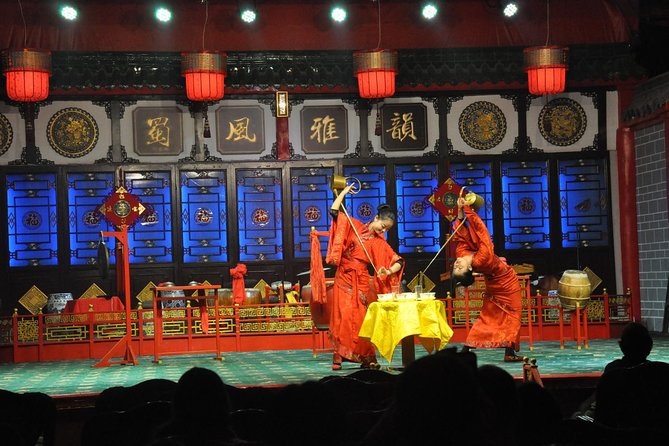
Puppetry and shadow play are among the most distinctive parts of the evening. The shadow theater uses light, silhouettes, and precise hand movements, while puppetry shows the control and timing behind traditional stage craft. If you enjoy seeing how an effect is made, these acts may interest you as much as the famous face changing.
Acrobatics and Rolling Light bring speed and balance to the program. Rolling Light is one of the named signature acts, and it helps show the physical skill behind Sichuan performance traditions. These sequences are brief enough to keep the pace moving.
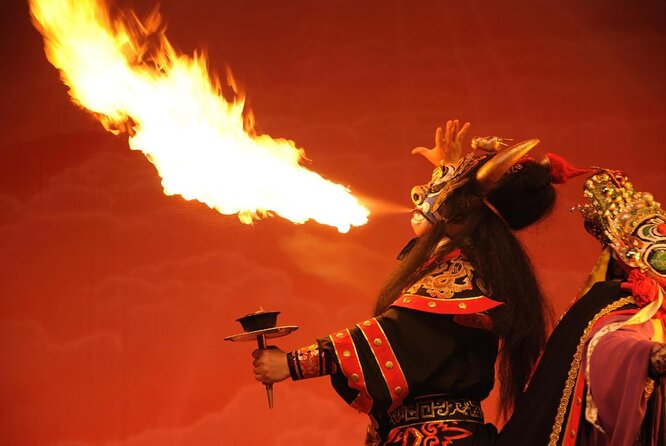
Fire spitting supplies the expected gasp. It is a classic crowd-pleaser and one of the clearest examples of the show’s mix of theater and spectacle. If you are sensitive to loud or dramatic performance effects, it is useful to know that the program includes fire-based stage action.
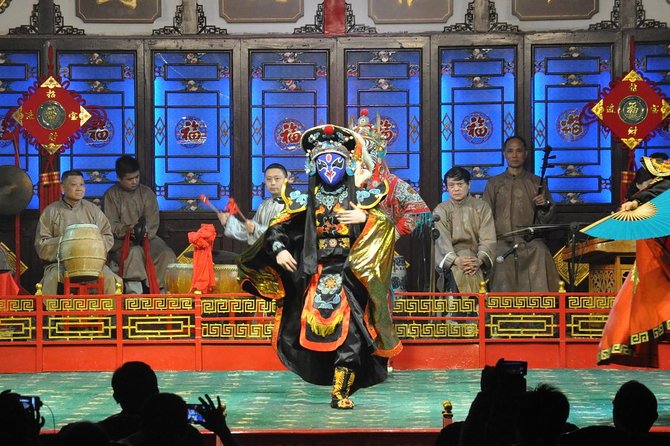
Finally, Changing Faces, or face changing, usually serves as the grand highlight. Performers switch between brightly colored masks or painted faces with astonishing speed. The colors represent different characters and moods, and the mystery lies in how the changes happen without the audience seeing the movement.
The closer you sit, the more rewarding this act becomes. From the front rows, you have a better chance of catching the details of the masks and the performer’s hand movements. From farther back, the overall effect still works, but small facial changes can be harder to follow.
Same country, a completely different kind of day:
- Chengdu: Giant Panda Breeding Research Base Ticket
★ 4.5 · 580 reviews - Half-Day Chengdu Cooking Class with a Local Market Visit
★ 5.0 · 465 reviews - Tuktuk Food Tour Through Chengdu’s Local Eats
★ 5.0 · 435 reviews - Private Half-Day Chengdu Panda Breeding Center Tour with Optional Volunteer
★ 5.0 · 353 reviews
Is the VIP seating worth the added cost?
The base ticket costs about $30 per person, which is a fair price for a 90-minute evening program with tea service. You are paying for a reserved seat and a convenient cultural activity, not private guiding or hotel transport.
The VIP upgrade is more difficult to judge because the added price is not specified here and the benefits need careful checking. VIP seating generally aims to put you closer to the stage, and front or second-row seats can improve your view of face changing. Several people have found the close view especially useful for photographs.
The upgrade may also include a choice of extras such as a short massage, Sichuan traditional ear grooming, or an opportunity to wear opera makeup and costume. Snacks may also be included, depending on the package.
I would consider VIP seating if the price difference is modest and seeing the masks clearly is a priority. I would be more cautious if you are choosing VIP mainly for the makeup and costume experience. The supplied package descriptions have caused confusion about whether the costume is included with the makeup option, and one person reported being asked to pay an extra 100 yuan for the costume. Another reported a much higher additional charge for face painting and photographs.
The safest approach is to read the exact wording on your voucher and ask the theater staff to confirm the included option before paying for anything extra. If you want makeup, costume photos, massage, or ear grooming, arrive at least 30 minutes early, and preferably one hour early. These services are pre-show activities. Do not assume they can be done after the performance.
Seat choice and what you can actually see
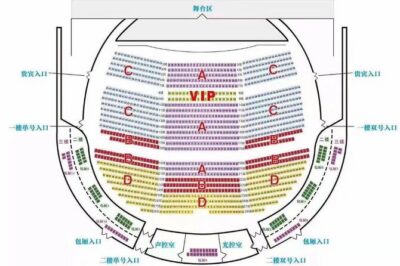
The theater is described as relatively small, so even standard seating can offer a reasonable view. Still, seat location matters most during face changing and puppetry, when fine movements are part of the fun.
Front seating gives you the best chance to see the masks clearly and take photographs. Some people who booked higher-category seating have been happy with second-row views. Others have found that a less favorable position or people in front blocked part of the stage.
This is one area where expectations should stay realistic. VIP does not automatically mean a perfect central seat unless your voucher or ticketing instructions say so. Confirm the seating section when you exchange the voucher, and speak up promptly if the assigned seat does not match what you purchased.
The show can also include audience members using phones or talking, especially in a casual venue. That is not unique to this performance, but it can affect your view and concentration. A front or central seat gives you some protection from both problems.
Language, atmosphere, and cultural value
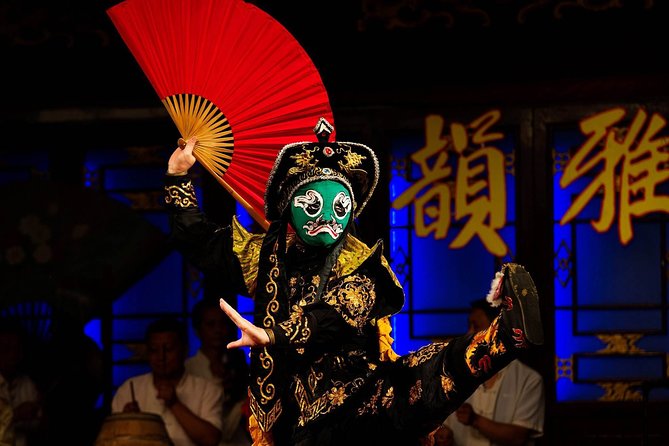
You do not need Chinese to enjoy the main visual acts. Face changing, fire spitting, acrobatics, puppetry, shadow play, and costumes communicate through movement. The opera scenes and comic dialogue are harder to follow, but music and stage action still carry part of the meaning.
I see the show as a useful introduction rather than a complete lesson in Sichuan Opera. It presents several recognizable traditions in a compact format, but it also packages them for an evening audience. That makes it accessible, though someone seeking a long, text-heavy opera performance may find it more like a Chinese variety show.
The fact that the venue also attracts local patrons gives the evening a more grounded feel than a production made only for international sightseers. At the same time, some elements are clearly designed for easy audience appeal, especially the fire act and face changing. That balance is not a flaw. It lets you sample local performance culture without needing a specialist guide or a full night of translation.
Who should book this Chengdu experience?
I would recommend it to first-time visitors who want a clear, entertaining introduction to Sichuan performing arts. It is especially suitable for families, since the acts change often and children can enjoy the physical comedy, puppets, masks, and acrobatics.
It also suits you if you want a short evening activity near the center of Chengdu. The show lasts about an hour and a half, starting at 8 pm, so you can fit dinner before it or continue your evening afterward.
Culture lovers should book it for the combination of traditional music, costume, shadow theater, and opera. Photographers may prefer a front-row upgrade, provided the extra cost and seating terms are clear.
I would hesitate only if you need a fully translated performance, guaranteed VIP service, or hotel transportation included. The show is visual, but not every spoken scene is explained in English. And the optional extras require early arrival and careful confirmation.
Cancellation is flexible if your plans change: you can receive a full refund when canceling at least 24 hours before the local start time. Cancellations or changes made within 24 hours are not accepted for a refund.
My verdict on the Shufeng Yayun Opera Show
Yes, I think this is worth booking if you want one lively, manageable taste of Chengdu culture. The strongest reasons are the excellent variety of acts and the unforgettable face-changing performance. Tea at your table makes the evening feel distinctly Sichuan, and the 90-minute length keeps the commitment easy.
Choose standard seating for solid value. Choose VIP only when the closer seat matters to you and you have confirmed which extra service is included. Arrive early, keep your hotel address in Chinese, and treat any upselling for massages, ear grooming, makeup, costumes, or photos with care.
FAQ
Where does the Sichuan Opera show take place?
The performance takes place at Shufeng Yayun Teahouse in Chengdu Culture Park. The listed ticket redemption address is 132 Qin Tai Lu, Qingyang District, Chengdu, Sichuan, China.
What time does the show start?
The listed start time is 8 pm. Allow about 30 minutes for the taxi ride, and arrive earlier if you have selected an upgrade.
How long does the performance last?
The show lasts approximately 1 hour and 30 minutes.
Is tea included with the ticket?
Yes. All entrance tickets include Sichuan tea service at bamboo tables and chairs.
Are snacks included?
Snacks are included only with selected ticket options. Check your chosen package before booking if food is important to you.
What performances are included?
The program can include face changing, fire spitting, Rolling Light, puppetry, shadow play, folk music, singing, dance, acrobatics, comedy, and opera scenes based on legends and folk tales.
Is hotel transportation included?
No. You make your own way to the teahouse, and hotel pickup, hotel drop-off, and taxi fares are not included. Your ticket instructions include information for the taxi driver.
Just added around Chengdu
- Visiting Chengdu Panda Base in a Half Day★ 5.0 · 4 reviews
- Classsic sichuan Opera at sichuan Provincial Theater★ 5.0 · 4 reviews
- Tea Village in lost Town and Buddha 1 day tour★ 5.0 · 32 reviews
- Sichuan Opera with face-changing at Sichuan opera theater★ 4.5 · 6 reviews
- Sichuan Opera Show with Hotel Pickup★ 5.0 · 3 reviews
- Mini Group: Half-Day Chengdu Pandas Guided Tour★ 5.0 · 3 reviews
- Panda, Leshan, and Emei Mountain 2-day tour★ 5.0 · 4 reviews
- Private Half-Day Tour in Sichuan Culture Show with Hot Pot Dinner in Chengdu★ 4.5 · 15 reviews
Show, compared.
Shanghai Circus World: ERA2 Intersection of Time Acrobatics Show
Read our review →
Red Theatre Beijing Acrobatic Show Tickets Official Booking
Read our review →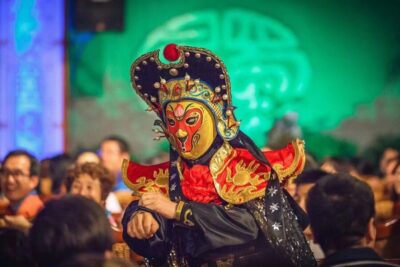
Sichuan Opera Shu Feng Yan Yun Evening Show Ticket
Read our review →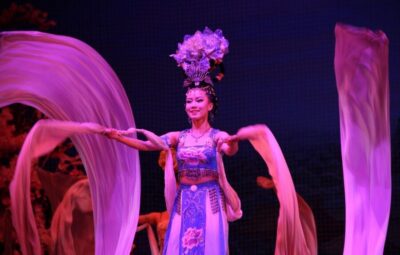
Great Tang Dynasty Night Show & Dumpling Meal Option
Read our review →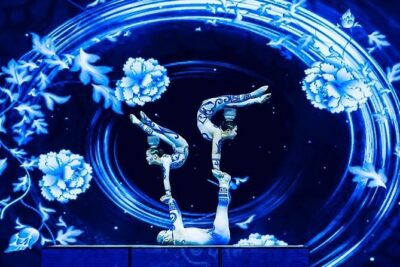
Beijing Golden Mask Dynasty Show with Private Transfer
Read our review →
Beijing Roast Duck Banquet and Acrobatics Show with VIP Seats Evening Tour
Read our review →Browse the lists this tour appears in