
Reviewed · COOKING CLASSES
Half-day Chengdu Handmade Tofu Making and Mapo Tofu Cooking Class
Making tofu by hand is the star of this Chengdu class. You begin at a local spice market, then move to a traditional courtyard where a chef shows you how soybeans become soy milk, tofu brain, and firm tofu. You also cook Mapo Tofu, Sichuan’s famous spicy dish.
I like the bean-to-dish process, which turns an everyday food into a clear, hands-on lesson. I also like the market visit and the pause for Sichuan tea, since both connect the cooking to local food customs rather than treating the class as a simple recipe demonstration.
The main consideration is time. At roughly four hours, this is a full half-day, and the work of soaking, grinding, filtering, boiling, and pressing tofu is slower than opening a packet from the shop. That slower pace is the point, but it may not suit someone who wants a quick cooking lesson.
Key points at a glance
- Start with a Sichuan spice market: Learn to identify the spices and ingredients used later in the cooking session.
- Use a traditional stone mill: Grind soybeans and follow the process from bean to soy milk and tofu.
- Make tofu in several forms: The class covers soy milk, tofu brain, and pressed tofu.
- Cook Mapo Tofu with a professional chef: You learn how the handmade tofu works in Chengdu’s signature dish.
- Enjoy tea and a shared meal: Tea, water, beer or other refreshing drinks, food tasting, and recipes are included.
- Keep the group manageable: The class accepts no more than 15 people and includes hotel pickup and drop-off.
From soybeans to Mapo Tofu in one Chengdu morning
Many cooking classes begin with chopped ingredients lined up beside a stove. This one begins much earlier, with the raw soybean. That choice gives you a better sense of why tofu has such an important place in Chinese cooking: it is not a single ingredient pulled from a package, but the result of a careful chain of work.
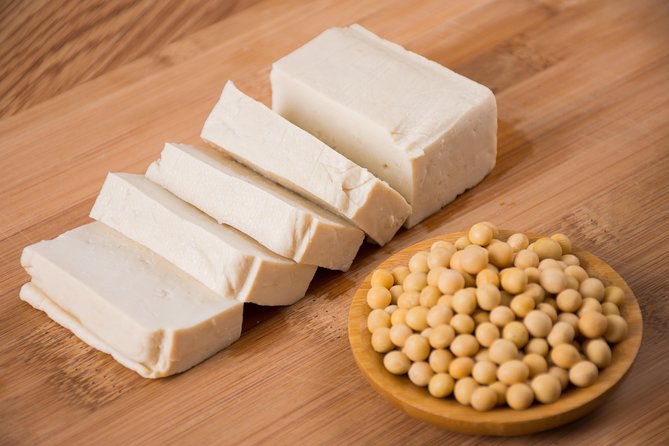
You learn the main steps in order. Soybeans are soaked, ground into pulp with a stone mill, filtered, and boiled. Bittern is then added to make the liquid coagulate, and the curds are pressed into shape. The method is simple to describe, but the class lets you see how much texture and timing matter.
I like this approach because it gives Mapo Tofu a proper beginning. By the time you cook the finished dish, you know where the tofu came from and how its texture was created.
The class lasts about three to five hours, with the scheduled cooking session described as roughly four hours. That range is worth noting when planning your Chengdu day. The pace can depend on the group, the market visit, and how much time is needed for the tofu-making stages.
A few more Chengdu trips to weigh up
- Half-Day Chengdu Cooking Class with a Local Market Visit
★ 5.0 · 465 reviews - Chengdu: Cooking Class with Fresh Market Half Day Experience
★ 5.0 · 42 reviews - Half-Day steamed Buns Cooking Class with a Local Market Visit
★ 5.0 · 26 reviews
A local market before the cooking begins
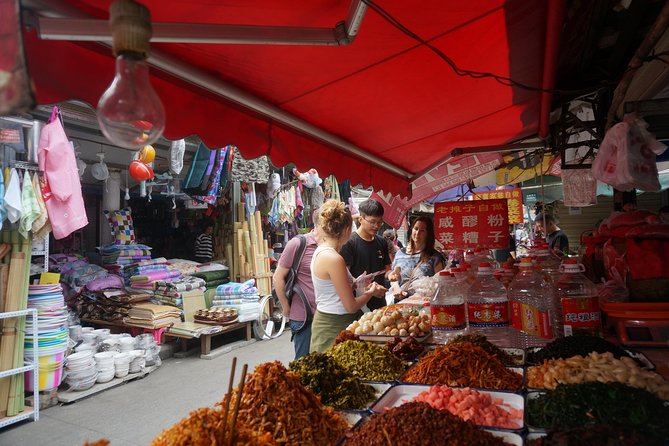
The first part takes you to a local spice market. This is not just a place to buy supplies for the class. You use the visit to look at Sichuan spices, fresh produce, meats, and traditional ingredients, with small challenges designed to help you identify what you are seeing.
That makes the market useful even if you already know your way around a kitchen. Sichuan cooking depends on more than heat. The ingredients bring different kinds of flavor, including fragrance, saltiness, fermented notes, and the numbing effect associated with Sichuan pepper.
You may also encounter references to traditional Chinese medicine during the market visit. The class connects food ingredients to the wider way local people think about cooking and daily nourishment. The point is not to turn the stop into a formal lecture. It is to help you notice the ingredients before they appear in the wok.
I would pay close attention here and ask questions. The same spice can look unfamiliar when sold in a market but become easy to recognize once you see how it is used in the dish. Since the market portion comes before the kitchen work, it gives you a useful introduction to the flavors ahead.
One practical point: the market is part of a group activity, so you are not setting your own shopping schedule. The maximum group size is 15 people. That is small enough for a shared class, though anyone seeking a private market tour should check the arrangements before booking.
Tea in a traditional Sichuan courtyard
After the market, the class moves to a traditional Sichuan-style courtyard workshop. You are served local tea, following a local custom of offering tea to friends and visitors.
This pause matters. It breaks up the practical work and gives you a moment to settle into the cooking space. Tea also provides a small lesson in local hospitality without adding a separate sightseeing stop to the day.
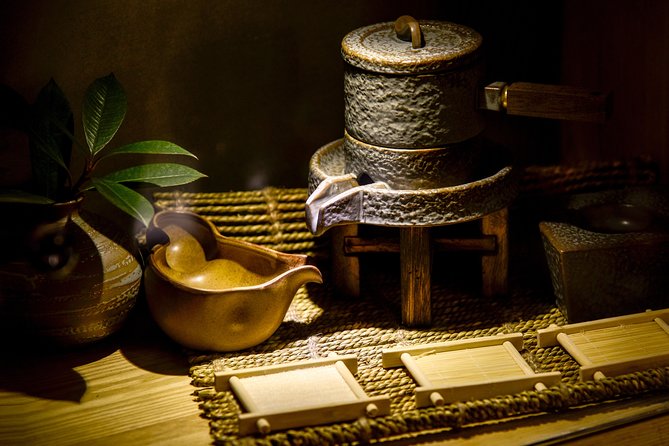
The courtyard setting should appeal to you if you prefer food experiences with a sense of place. You are not simply sitting in a modern cooking studio with a Chengdu theme. The traditional setting, tea service, stone mill, and handmade methods all point toward older household and workshop practices.
Still, the experience is centered on cooking, not architecture. The courtyard is part of the atmosphere and teaching environment, but the supplied details do not promise a formal historical tour or a major cultural performance. Book it for the food work first.
The stone mill and the work behind handmade tofu
The most unusual part of the class is the stone-mill demonstration and hands-on tofu process. Under the chef’s direction, you work through the stages that are often invisible when tofu appears on a restaurant plate.
You grind soaked soybeans into pulp, then filter the mixture. The liquid becomes soy milk, while the remaining material is separated out. The soy milk is boiled, and bittern is added so the curds form. Those curds can be pressed into tofu.
The class also covers tofu brain, a soft form that comes before firm pressing. Seeing both textures in the same session helps explain why tofu can feel silky, tender, springy, or firm depending on how it is handled.
This is a useful lesson for home cooks because tofu texture affects the finished dish. Mapo Tofu needs tofu that can hold its shape while taking on sauce. Tofu brain offers a much softer eating experience. The class lets you compare these stages rather than treating tofu as one fixed product.
The process takes physical time and attention. If you are expecting a quick demonstration followed by a long lunch, you may find the bean preparation slower than expected. I see that as a strength for anyone interested in traditional food production, but it is also the clearest reason this class needs a half-day.
Same country, a completely different kind of day:
- Chengdu: Giant Panda Breeding Research Base Ticket
★ 4.5 · 580 reviews - Tuktuk Food Tour Through Chengdu’s Local Eats
★ 5.0 · 435 reviews - Private Half-Day Chengdu Panda Breeding Center Tour with Optional Volunteer
★ 5.0 · 353 reviews - Chengdu: Sichuan Opera Shu Feng Yan Yun Evening Show Ticket
★ 4.7 · 185 reviews
Cooking Mapo Tofu with a professional chef
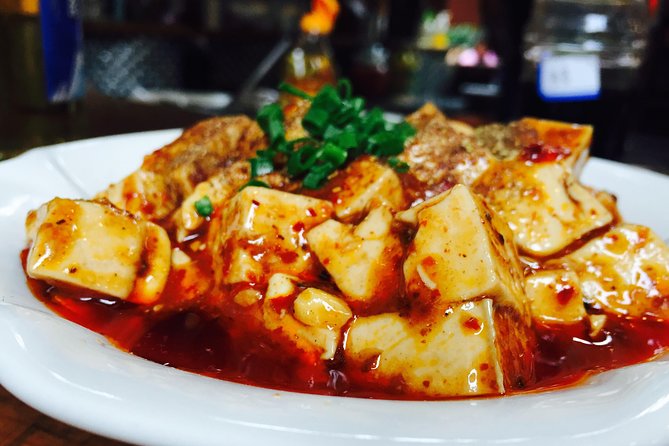
Once the tofu work is underway, a professional chef teaches you how to cook Mapo Tofu. This is the dish most people will associate with the class, and it gives the handmade tofu a clear purpose.
The market visit helps you recognize the spices. The tofu session shows how the main ingredient is made. The cooking lesson brings those two strands together in one Sichuan dish.
The class description does not specify a detailed menu beyond Mapo Tofu, soy milk, tofu brain, and the tofu-making process. That is helpful for setting expectations. You are booking a focused tofu experience, not a broad multi-dish cooking course.
You should expect guidance rather than a completely independent kitchen session. The chef leads the work, and the group follows the process in a cozy kitchen. That format is a good fit if you want instruction and context. It is less suitable if your priority is preparing a large number of separate dishes at your own speed.
Mapo Tofu is also a sensible dish for this subject. Its sauce and seasoning make the tofu’s texture easy to appreciate, while the handmade version gives the meal a direct link to the earlier work. The class ends with tasting what you have made, so the practical lesson has an immediate payoff.
Tea, food, and drinks at the end
Tea is served during the workshop, and water, beer, or refreshing drinks are included. Food tasting is also part of the experience.
That final meal is more than a snack. It gives you time to eat the Mapo Tofu and other prepared items, compare the textures, and enjoy the social side of the class. The setting is designed for a relaxed finish rather than a rushed exit from the kitchen.
One useful detail comes from the way the classes are scheduled. The morning session can be paired with an afternoon cooking class, such as a Baozi course, though that additional class is not part of this half-day booking. If you enjoy the atmosphere and want a full day of cooking, you may be able to ask about extending your plans.
Do not assume the afternoon class is included in the $90 price. The listed experience is the tofu and Mapo Tofu workshop. Treat any additional session as a separate option that needs confirmation.
What the $90 price buys you
At $90 per person, this is not a bargain meal, but it includes more than a standard restaurant lunch. You receive the market visit, a professional guide and master chef, the hands-on tofu work, the Mapo Tofu lesson, food tasting, tea, water, beer or other drinks, recipes, and hotel pickup and drop-off.
The strongest value comes from the combination of activities. A market walk alone would give you an introduction to ingredients but no practical follow-through. A cooking lesson alone might teach Mapo Tofu but leave out the work that makes the tofu special. Here, the two parts support each other.
Hotel pickup and drop-off can also make the price easier to justify, especially if you are unfamiliar with Chengdu or staying away from the meeting point. The stated starting location is on the North Section of the First Ring Road, in Jinniu District. The activity ends back at the meeting point, while hotel transfers are included according to the tour details, so confirm the exact pickup arrangement when you book.
The included recipes add lasting value. You can try to repeat the Mapo Tofu at home, though handmade tofu requires more time and equipment than the cooking alone. The recipes are most useful as a reminder of the seasoning and cooking method.
The experience is commonly booked about seven days ahead. That timing suggests you should not leave it until the last minute if the class is important to your Chengdu schedule.
Group size, transport, and planning details
The maximum group size is 15 people. That is large enough to create a social class but small enough for the chef to lead a shared activity. Your exact amount of hands-on time may depend on how many people are working at each stage.
The activity is near public transportation, and hotel pickup and drop-off are included. The formal meeting point is listed at 1st Ring Road North 3 Section, Yi Huan Lu Bei San Duan, Jinniu District, Chengdu, with the activity ending back there.
Children must be accompanied by an adult. Most people can participate, but the class involves market walking, food preparation, and the physical work of using a millstone. If you have a specific mobility or dietary concern, ask the provider before booking because the supplied details do not give further information.
Free cancellation is available up to 24 hours before the start time for a full refund. Changes or cancellations made inside that 24-hour window are not accepted for a refund. The activity also depends on good weather, and a weather cancellation offers a different date or a full refund.
Who will enjoy this class most
I would choose this experience if you like understanding how food is made, not just eating the finished dish. It is especially well suited to cooks, food-focused visitors, and anyone curious about the difference between factory-made tofu and a traditional handmade method.
It also works well for people who want a cultural activity with a clear practical result. You visit a local market, learn a food custom through tea service, work in a traditional courtyard, and sit down to eat what you helped prepare.
The class may be less appealing if you dislike spicy food, though the supplied information does not state how much control you have over seasoning. Ask the chef about spice levels if that matters to you.
You should also think about your schedule. Four hours is not a quick gap between sightseeing stops. The class has several stages, and rushing them would defeat the reason to book it.
The main strengths and limits
The class’s strongest feature is its focus. It does not try to cover every part of Sichuan cooking. Instead, it follows one ingredient from soybean to finished dish and uses Mapo Tofu to show how the result is eaten.
The market visit is another strong point. It adds local context and gives you a chance to see spices and produce before cooking with them. The tea service and courtyard setting add a calm cultural layer without taking over the food lesson.
The warm, relaxed teaching style associated with Lance and Jerry is also worth noting. Lance is named as the guide in the class responses, and Jerry is mentioned alongside him in a full-day cooking experience. If you are hoping for friendly instruction rather than a formal demonstration, the provider’s teaching team appears set up for that style.
The limits are just as clear. The class is not cheap, the schedule takes most of half a day, and the group may include up to 15 people. The experience also depends on weather, and the published details do not spell out vegetarian, allergy, or spice-level arrangements.
Should you book the Chengdu tofu class?
Book it if you want a practical food experience that explains the work behind tofu and connects it to Mapo Tofu. The market-to-courtyard format gives the class more substance than a stand-alone recipe lesson, while the stone mill and tofu brain add details you are unlikely to encounter in an ordinary cooking class.
Skip it if you want a short, inexpensive meal or a broad menu of Sichuan dishes. At $90, the value depends on your interest in traditional methods, included transport, the chef’s instruction, drinks, tasting, and recipes.
For the right person, this is a memorable way to spend a Chengdu half-day. You leave with a better understanding of tofu, a clearer sense of Sichuan ingredients, and a Mapo Tofu method you can try again at home.
FAQ
How long does the tofu and Mapo Tofu class last?
The experience lasts approximately 3 to 5 hours. The cooking workshop is described as about 4 hours.
What food will I make?
You learn to make handmade tofu, soy milk, and tofu brain, then cook Mapo Tofu with a professional chef.
Is a market visit included?
Yes. The class begins with a visit to a local spice market, where you learn about Sichuan spices and ingredients used in the cooking session.
Are drinks and food included?
Yes. Tea, water, beer or refreshing drinks, and food tasting are included.
Is hotel transportation included?
Hotel pickup and drop-off are included in the tour details. The listed meeting point is on the North Section of Chengdu’s First Ring Road, in Jinniu District, and the activity ends back at the meeting point.
How far in advance can I cancel?
You can cancel at least 24 hours before the local start time for a full refund. Cancellations or changes made less than 24 hours before the start time are not accepted for a refund.
More Half-Day in Chengdu
- Half-Day Chengdu Back Alley Foodie Tour
★ 5.0 · 58 reviews - Half-Day Professional Mapo Tofu Cooking with a Local Market Visit
★ 5.0 · 19 reviews - Half-Day Sichuan Cooking Class Experience in Chengdu
★ 4.0 · 17 reviews - Half-day Private Mahjong course in Local Tea House
★ 5.0 · 16 reviews
Just added around Chengdu
- Visiting Chengdu Panda Base in a Half Day★ 5.0 · 4 reviews
- Classsic sichuan Opera at sichuan Provincial Theater★ 5.0 · 4 reviews
- Tea Village in lost Town and Buddha 1 day tour★ 5.0 · 32 reviews
- Sichuan Opera with face-changing at Sichuan opera theater★ 4.5 · 6 reviews
- Sichuan Opera Show with Hotel Pickup★ 5.0 · 3 reviews
- Mini Group: Half-Day Chengdu Pandas Guided Tour★ 5.0 · 3 reviews
- Panda, Leshan, and Emei Mountain 2-day tour★ 5.0 · 4 reviews
- Skip the Line: Sichuan Opera Chengdu Ticket★ 4.0 · 8 reviews
Cooking Classes, compared.

Half-Day Chengdu Cooking Class with a Local Market Visit
Read our review →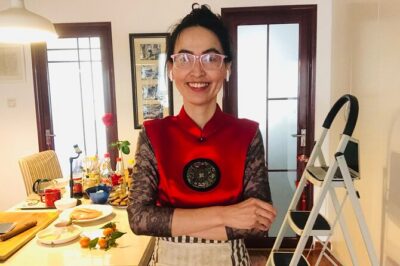
Online Cooking Class Beijing Dumplings and Cuisine by Sunflowerli Renowned Chef
Read our review →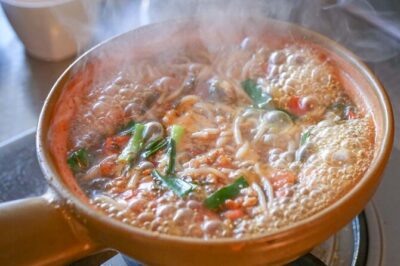
Lijiang Naxi Cuisine Cooking Class & Market Visit
Read our review →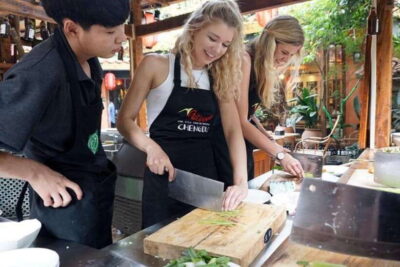
Cooking Class with Fresh Market Half Day Experience
Read our review →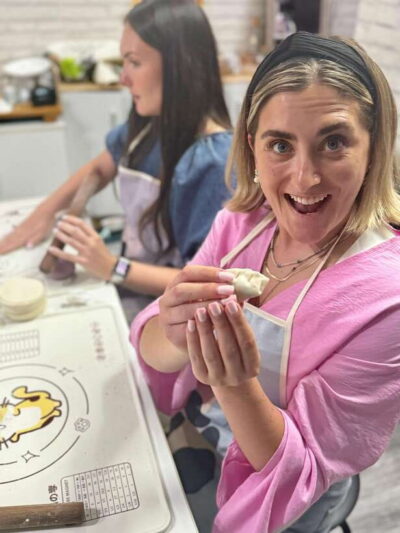
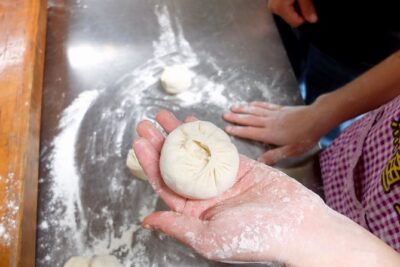
Half-Day steamed Buns Cooking Class with a Local Market Visit
Read our review →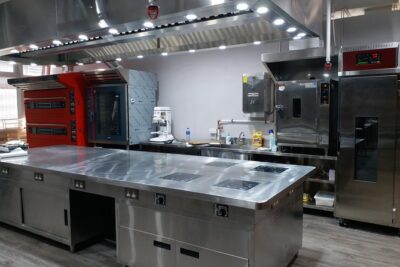
Hong Kong Market Walking Tour & Chinese Cooking Class
Read our review →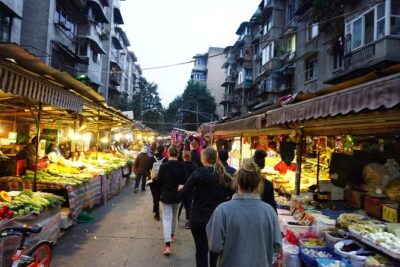
Half-Day Professional Mapo Tofu Cooking with a Local Market Visit
Read our review →Browse the lists this tour appears in